
Introduction to Ship Automation Systems
Ship automation systems play a pivotal role in modern maritime operations, revolutionizing the way vessels are managed and controlled. At its core, a ship automation system refers to the integration of technology and engineering to oversee various functions on board, enhancing both operational efficiency and safety. These systems enable the automated management of critical operations, such as navigation, engine performance, and cargo handling.
The importance of vessel automation cannot be overstated, especially in the face of growing industry demands for higher efficiency and reduced human error. Automation significantly minimizes the workload on crew members, allowing them to focus on strategic decision-making rather than mundane tasks. Furthermore, in scenarios where safety and speed are paramount, ship automation systems provide essential support, helping to ensure compliance with international regulations and standards.
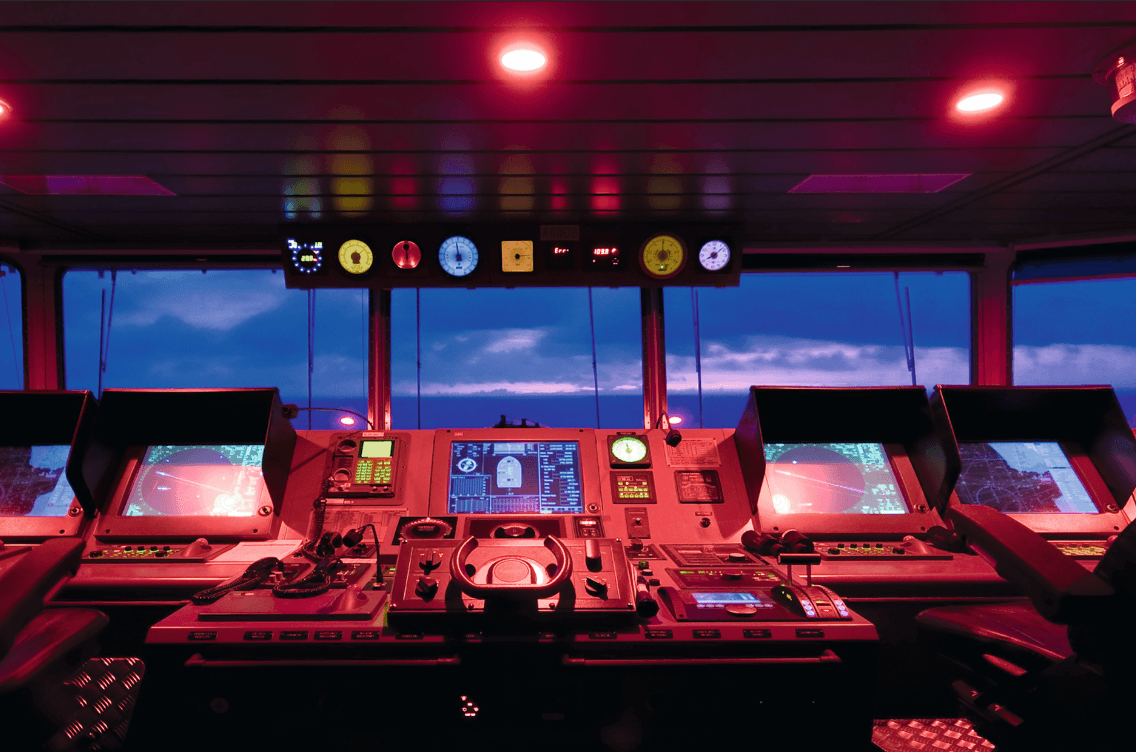
Today, there are various types of systems employed in maritime settings, each designed to cater to specific operational needs. For instance, integrated bridge systems (IBS) facilitate seamless communication between navigational aids, while engine room automation systems monitor and manage key machinery, optimizing fuel consumption and reducing emissions. Additionally, cargo management systems automate the loading and unloading processes, enhancing the overall logistics chain.
As technological advancements continue to progress, ship automation systems are also evolving. Innovations such as the Internet of Things (IoT) and artificial intelligence (AI) are increasingly being incorporated into vessel automation frameworks. These developments not only improve real-time data analysis but also enable predictive maintenance, substantially decreasing operational costs and enhancing reliability.
Components of Ship Automation System Architecture
The ship automation system architecture is primarily characterized by its diverse components that work in synergy to enhance vessel operations. At the core of any effective ship automation system are hardware components, such as sensors, controllers, and displays. These elements are critical for real-time data gathering and system management, ensuring that crew members have the necessary information to operate the vessel safely and efficiently.
Sensors are integral to the functionality of a ship’s automation system. They monitor various parameters, including temperature, pressure, and flow rates, providing the data needed for proper decision-making. Controllers process this sensor data to execute commands that affect the ship’s systems. For instance, in engine control, controllers can adjust fuel intake or manage throttle responses to optimize performance and stability. Displays relay processed information back to the crew, ensuring transparency and clarity regarding the ship’s operational status.
In parallel to hardware components, software systems play an essential role in managing ship automation. Navigation systems utilize complex algorithms to process input from sensors and assist in real-time route planning. Safety monitoring systems are designed to detect anomalies and trigger alarms or corrective measures when necessary, safeguarding both the crew and the vessel. Additionally, environmental control systems regulate the internal climate of the ship, balancing comfort and energy efficiency.
Furthermore, the interplay between these components is vital for comprehensive vessel automation. For instance, if environmental controls receive data from temperature sensors indicating a rise above a set threshold, the system may prompt adjustments to maintain optimal conditions. The intricate architecture supports seamless interactions among various systems, ultimately contributing to enhanced ship operational efficiency and safety. Integration of these components allows for streamlined procedures, resulting in reduced human error and improved reliability in aquatic environments.
Types of Ship Automation Systems
The architecture of ship automation systems is fundamentally categorized into several types, each serving a specific purpose to enhance operational efficacy and safety across various vessel operations. Among these categories, engineering automation, cargo handling automation, and integrated bridge systems are notable for their significant contributions.
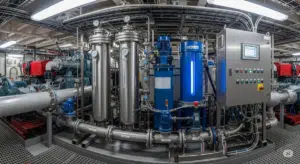
Engineering automation primarily focuses on monitoring and controlling the various machinery and systems onboard a vessel. This includes systems responsible for propulsion, electrical distribution, and auxiliary machinery. By automating these functions, engineering automation not only reduces the potential for human error but also ensures efficient operation and maintenance of critical systems. An example of this is the use of programmable logic controllers (PLCs) that can monitor engine parameters in real time, optimizing performance and fuel consumption.
Cargo handling automation is another essential type of ship automation. This system is designed to simplify and optimize the loading and unloading processes of cargo. Technologies such as automated cranes and advanced cargo tracking systems contribute to reduced turnaround times in ports and improved safety during operations. For instance, automated container handling systems utilize cranes that can be remotely monitored and operated, significantly enhancing operational efficiency by minimizing manual intervention.
Integrated bridge systems (IBS) encompass a combination of navigation, communication, and control systems that enable seamless oversight of a vessel. IBS integrates various data sources, such as radar, GPS, and sonar, allowing crew members to make informed decisions based on real-time data. The implementation of such systems not only improves situational awareness but also enhances the overall safety and efficiency of maritime operations.
In conclusion, the different types of ship automation systems play a crucial role in modern vessel architecture. By enhancing operational efficiency through engineering automation, cargo handling automation, and integrated bridge systems, the maritime industry continues to evolve, pushing the boundaries of technology to achieve safer and more efficient ship operations.
Future Trends in Ship Automation System Architecture
The maritime industry is undergoing significant transformation due to advances in ship automation systems. As vessels increasingly rely on automation for navigation, monitoring, and operational control, the integration of artificial intelligence (AI) and machine learning is emerging as a pivotal trend. These technologies enable vessels to analyze vast amounts of data in real-time, enhancing decision-making processes and improving overall safety and efficiency. By leveraging predictive analytics, ship operators can optimize routes, reduce fuel consumption, and mitigate risks associated with human error.
Furthermore, the development of remote operations is reshaping vessel automation. Organizations are exploring ways to manage ships from land-based control centers, allowing for real-time monitoring and remote troubleshooting. This approach diminishes the need for crew members onboard, aligning with the increasing interest in autonomous ships. Such remote capabilities necessitate robust ship automation systems that can ensure seamless connectivity and adhere to stringent regulatory standards.
Another vital trend is the movement towards greener technologies within ship automation architecture. As the shipping industry grapples with environmental challenges, there is a compelling push for innovations that minimize the carbon footprint of maritime operations. Vessel automation systems are being designed with energy efficiency in mind, incorporating alternative fuel technologies and renewable energy sources. These initiatives not only comply with international regulations but also reflect a broader commitment to sustainability, ultimately transforming the ecological landscape of the maritime sector.
As these trends continue to develop, it is essential for stakeholders within the maritime industry to adapt to evolving technologies and regulatory challenges. The integration of enhanced automation systems will shape future maritime operations, fostering a safer, more efficient, and environmentally responsible shipping industry.