

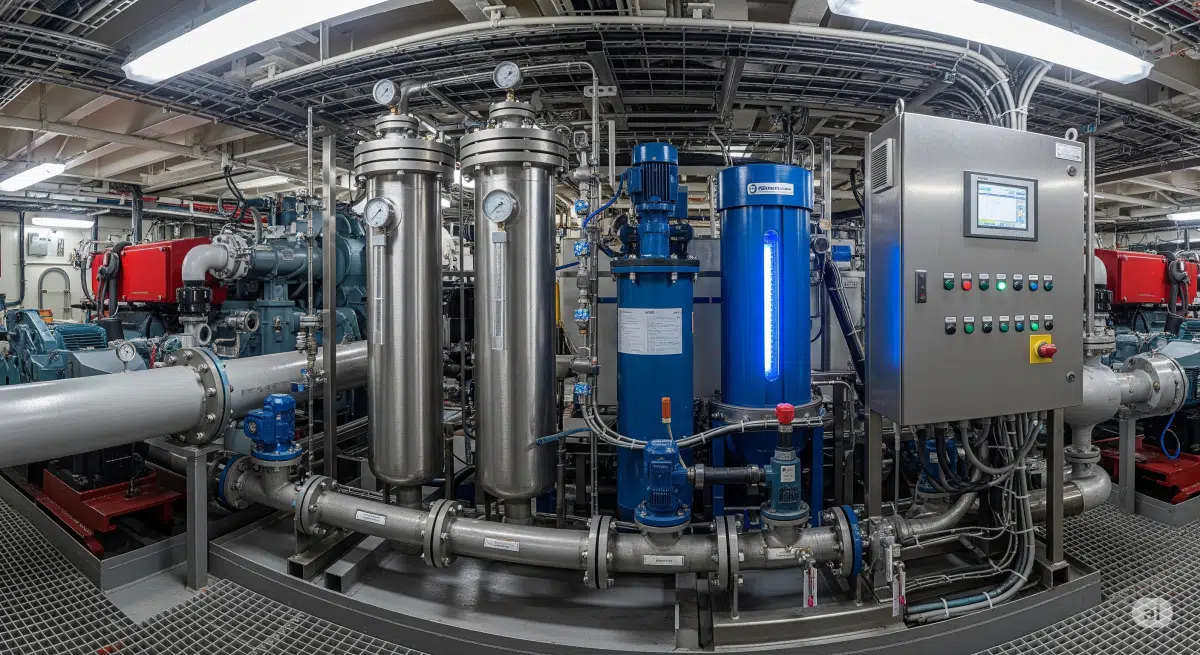
Introduction to Ballast Water and Its Importance
Ballast water is water that is taken on board ships to provide stability and balance during transit. It is typically used in the lower parts of the vessel to counteract the forces acting upon it and is crucial for maintaining the safety of maritime operations. However, the practice of taking on ballast water poses significant environmental risks when the water is discharged at different locations, often resulting in the transfer of non-native aquatic species across geographical boundaries.
The movement of ballast water has been identified as a major pathway for the introduction of invasive species into marine ecosystems. These species can disrupt local marine biodiversity, outcompete native species, and alter the ecological balance of their new environments. Consequently, effective management of ballast water is vital for preserving marine ecosystems and ensuring marine biodiversity.
Untreated ballast water can lead to catastrophic ecological consequences, including the degradation of local fisheries, changes in habitat structure, and the potential for economic losses in coastal communities. Therefore, international regulations have been established to address the impacts of ballast water on the environment. These regulations mandate the implementation of marine ballast water treatment systems designed to effectively manage and treat ballast water before it is discharged back into the environment.
The importance of a ballast water treatment system cannot be overstated. It not only aids in the prevention of biological invasions but also plays a critical role in enhancing the resilience of marine ecosystems. By adhering to approved treatment protocols, ships can minimize their environmental footprint, thereby contributing positively to global conservation efforts and sustainable maritime practices.
Types of Ballast Water Treatment Systems
The various types of ballast water treatment systems developed to address marine environmental challenges can be grouped into three primary categories: physical filtering, chemical treatment, and ultraviolet (UV) light exposure. Each category employs different operational principles to ensure effective treatment of ballast water before discharge into marine environments.
Physical filtering systems primarily rely on mechanical processes to remove larger organisms and sediments from ballast water. These systems often use a series of filters that trap particles while allowing water to flow through, thereby reducing the number of viable organisms. Although effective in capturing larger entities, these systems may require pre-treatment methods to enhance their efficiency against smaller organisms, and they can face challenges related to filter clogging.
Chemical treatment systems, on the other hand, utilize various substances to disinfect ballast water by neutralizing harmful organisms. Commonly employed chemicals include chlorine, ozone, and hydrogen peroxide. While these systems can be extremely effective in killing pathogens, they may also pose environmental concerns due to potential chemical residues. Additionally, they must be meticulously managed to adhere to regulations concerning chemical usage.
Ultraviolet (UV) light exposure systems provide a non-chemical approach to ballast water treatment. These systems expose the water to UV rays, which disrupt the DNA of microorganisms, rendering them incapable of reproduction. This method is gaining traction due to its capacity to effectively treat water with minimal environmental impact. However, it requires clear water without particulates to function efficiently, and often necessitates supplementary pre-treatment solutions.
Compliance with international regulations, such as those outlined by the International Maritime Organization (IMO), mandates that marine ballast water treatment systems meet established standards for efficiency. Understanding the operational principles, benefits, and limitations of each type of ballast water treatment system is crucial for vessel operators in ensuring adherence to these standards and protecting marine ecosystems.
Selecting the Right Ballast Water Treatment System
Choosing the most suitable ballast water treatment system is paramount for ensuring compliance with international maritime regulations, as well as safeguarding marine ecosystems. In the decision-making process, several key factors must be carefully evaluated. First and foremost is the size of the vessel. Larger ships typically require more robust systems that can handle greater ballast volumes efficiently. The ballast capacity of the ship will directly influence the required specifications for any marine ballast water treatment system.
Additionally, the type of trade routes undertaken by the vessel plays a crucial role in system selection. Ships operating in diverse or challenging waters may require a more advanced system capable of addressing varying water qualities and contamination levels. Consequently, understanding the operational conditions, including temperature fluctuations and salinity differences, ensures that the selected treatment system can function effectively across all scenarios.
Moreover, assessing the performance of different ballast water treatment systems is essential. Vessel owners should look for systems that have undergone rigorous testing and meet the necessary compliance certifications. This includes examining flow rates, treatment efficacy, and the system’s ability to handle various organisms. Maintenance requirements are another important aspect to consider. A system with high maintenance demands can result in increased operational costs and downtime, which may compromise efficiency.
Finally, crew training and awareness are critical. A well-informed crew is essential for the efficient operation of any ballast water treatment system. Ongoing training programs can enhance the crew’s understanding of system functioning, troubleshooting techniques, and routine maintenance practices, thereby ensuring optimal performance. By taking into consideration these factors, vessel operators can select the most appropriate ballast water treatment system that not only meets regulatory standards but also aligns with their operational needs.
Maintenance and Compliance Considerations
Proper maintenance of a ballast water treatment system is vital for ensuring its effectiveness and longevity. Regular servicing allows operators to identify and rectify issues proactively before they escalate into significant problems. Routine inspections should include checks for filter integrity, sensor functionality, and the cleanliness of all system components. Identifying fouling or biofilm accumulation early can prevent system failures that might compromise compliance with marine environmental standards.
In addition to routine maintenance, troubleshooting common issues must be part of a comprehensive approach to managing a marine ballast water treatment system. Common issues may include insufficient pressure, changes in water quality, and equipment malfunctions. Operators should be trained to understand these complications and have access to manufacturer guidelines or technical support to assist in rectifying them effectively. Moreover, keeping detailed records of maintenance activities and any issues encountered can be beneficial for audits and compliance verification.
Compliance with international regulations, such as the Ballast Water Management Convention, is crucial. Non-compliance can result in severe penalties, including hefty fines, operational restrictions, and even legal action. Understanding the requirements set by local and international bodies ensures that operators remain informed about the latest regulations regarding ballast water management. It is essential to align the operations of a ballast water treatment system with these robust compliance standards to avoid such repercussions. Consequently, investing in a high-quality ballast water treatment system coupled with a rigorous maintenance schedule not only protects marine ecosystems but also protects the financial and operational integrity of maritime operations.