
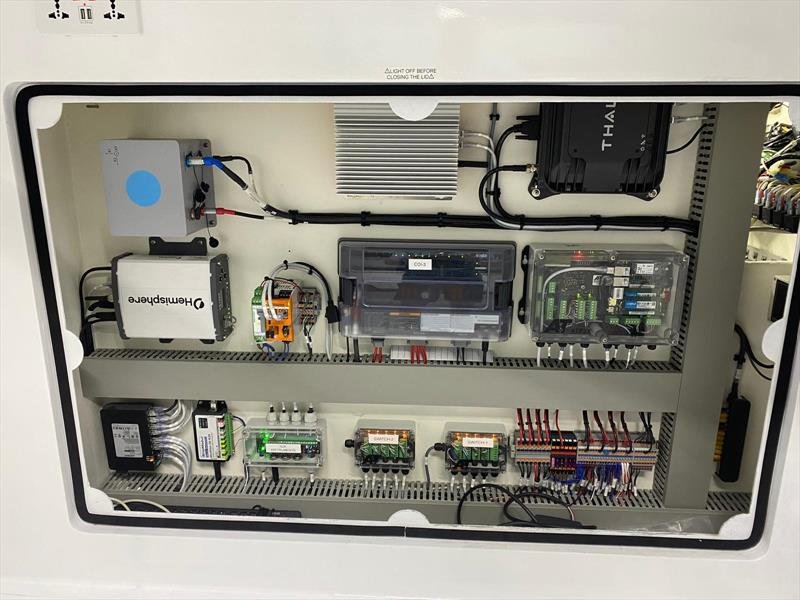
Understanding Marine Instrumentation: Basics and Importance
Marine instrumentation is a crucial component in the field of marine technology, involving the systems and devices used to measure and control conditions in marine environments. These systems typically comprise various components including sensors, signal processing units, and data display interfaces. The primary function of these instruments is to acquire data on environmental parameters, which can include temperature, pressure, salinity, and wave height, among others. The accurate collection of such data is vital for safe and efficient maritime operations.
The importance of marine instrumentation cannot be overstated. In the context of navigation, marine sensors play a pivotal role in ensuring that vessels can safely maneuver through often unpredictable waters. For example, instruments that measure water depth and provide information about underwater obstacles enable ship captains to make informed decisions while navigating. Furthermore, the continuous monitoring of marine conditions helps in the detection of hazardous weather patterns and contributes to the overall safety of marine travel.
Beyond navigation, marine instrumentation significantly contributes to environmental research and data collection efforts. By utilizing various sensors to gather information about oceanographic conditions, researchers can study marine ecosystems and understand the impacts of climate change on these environments. The data collected can inform conservation efforts and shape policies aimed at preserving marine life. Overall, the integration of marine instruments in operational practices not only enhances safety but also supports efficiency, ensuring that marine activities can be conducted responsibly and sustainably.
Types of Marine Sensors and Their Applications
Marine instrumentation relies heavily on an array of specialized sensors that ensure the effective monitoring and management of marine operations. These sensors are pivotal in collecting critical data across various marine environments and applications, facilitating informed decision-making and enhancing safety. Below, we categorize some primary types of marine sensors and highlight their specific functions.
Temperature Sensors: These sensors are essential for monitoring water temperature at various depths, supporting applications in oceanography and climate studies. Marine temperature sensors help in understanding thermal stratification and the health of marine ecosystems.
Pressure Sensors: Comprised of devices that measure the pressure of liquids or gases, pressure sensors are crucial in underwater applications. They are typically used in submersible systems to monitor depth and to assess environmental conditions for research and safety purposes.
Level Sensors: Level sensors are employed to monitor the amount of fluids in tanks or natural water bodies. These sensors are critical in applications relating to environmental monitoring and vessel operations, ensuring they operate safely without the risk of overflow or contamination.
Flow Sensors: These sensors measure the flow rate of water, including current speed in rivers and oceans. They are fundamental in hydrology studies, navigation, and designed to ensure efficient water management systems on vessels.
Navigation Sensors: Navigation sensors encompass a variety of tools that assist in determining the position and direction of vessels. They play a vital role in ensuring safe navigation through waters by integrating data from GPS systems, compasses, and gyroscopes.
Through the application of these marine sensors within marine instrumentation, researchers and operational personnel can attain valuable insights into environmental conditions and the dynamics of marine ecosystems. This integrative approach supports the sustainable management of marine resources, ensuring their protection and optimal utilization.
Challenges and Innovations in Marine Instrumentation
Marine instrumentation plays a crucial role in monitoring and evaluating various environmental conditions, yet it faces several inherent challenges. One significant challenge arises from the harsh marine environment. Factors such as extreme temperatures, high salinity, and pressure variations can adversely affect the performance and longevity of marine sensors. These environmental stressors often lead to data inaccuracies or sensor failures, necessitating advanced solutions to ensure reliable data collection.
Another hurdle in marine instrumentation is the technological limitations related to signal transmission and power supply. Many sensors deployed underwater struggle with energy resources, as batteries can deplete rapidly in demanding conditions, while transmission capabilities can be hindered by water interference. Addressing these issues is vital to the effectiveness of marine instrumentation systems, particularly in deep-sea applications where access for maintenance can be challenging.
Despite these challenges, the marine instrumentation field has witnessed substantial innovations aimed at enhancing both reliability and efficiency. Recent advancements include the integration of robust materials designed to withstand corrosive environments, which prolong the lifespan of marine sensors. Moreover, the incorporation of wireless technologies facilitates real-time data transmission, reducing the dependency on physical cabling that can deteriorate over time. Innovations such as energy harvesting systems allow sensors to recharge using motion, heat, or even light, solving some power-related limitations.
In response to specific industry needs, advancements in automation and smart technologies have revolutionized marine instrumentation. The use of artificial intelligence for predictive analytics allows for more informed decision-making based on the continuous data collected. These innovations not only enhance the capability of marine sensors but also align with the changing requirements driven by climate change and environmental sustainability efforts.
Future Trends in Marine Sensors and Instrumentation
The field of marine instrumentation and sensors is experiencing rapid advancements, driven by the need for more accurate, efficient, and reliable data collection methods in ocean research and maritime operations. As we look to the future, several emerging technologies are poised to transform how marine environments are monitored and managed.
One of the most significant trends is the integration of artificial intelligence (AI) and machine learning into marine sensors. These technologies enable the processing of vast amounts of data from diverse marine instrumentation, allowing for real-time analysis and improved decision-making processes. For instance, machine learning algorithms can identify patterns in oceanographic data, helping researchers predict phenomena such as algal blooms or changes in marine biodiversity. This predictive capability not only enhances scientific research but also supports management strategies for sustainable fisheries and marine conservation.
Additionally, advancements in wireless sensor networks represent a crucial evolution in marine instrumentation. These networks allow for the deployment of a multitude of sensors across vast oceanic areas without the constraints of physical wiring. This wireless communication facilitates continuous data transmission from sensors placed on buoys, submersibles, or even remotely operated vehicles, ensuring that researchers have access to real-time environmental data. The data gathered can significantly contribute to various applications, from habitat monitoring to climate change studies.
Furthermore, the role of marine instrumentation in addressing climate change is increasingly vital. As ocean temperatures rise and acidification progresses, precise sensors are essential for monitoring these changes and understanding their impacts on marine ecosystems. Continuous efforts to develop more robust, cost-effective, and efficient marine sensors will enhance our ability to gather critical data, enabling better-informed decisions regarding climate adaptation and conservation efforts.
In conclusion, the future of marine instrumentation and sensors is characterized by rapid technological advancements and a growing emphasis on sustainable marine management. The integration of AI, improvements in wireless communication, and a focus on climate-related research highlight the importance of innovation in enhancing our understanding of marine environments.