
Introduction to Marine Electronics
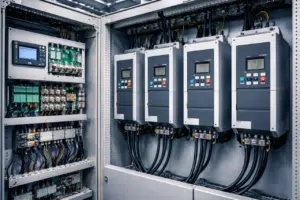
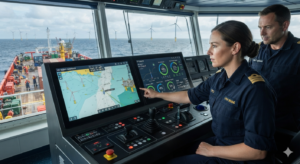
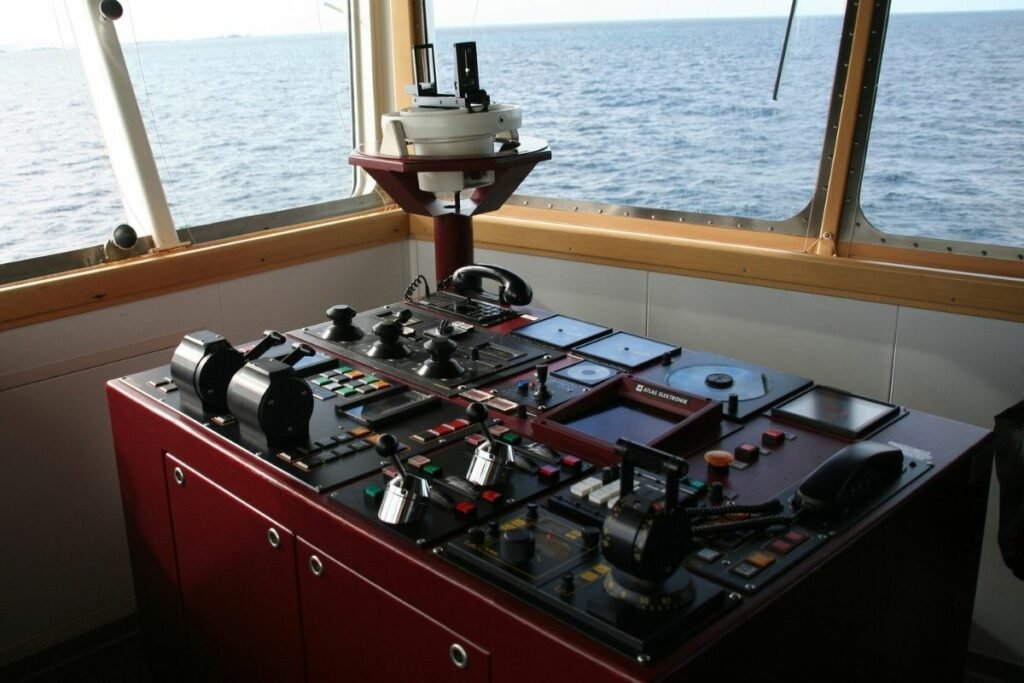
Marine electronics refers to the broad range of electronic equipment specifically designed for use in maritime environments. These systems are crucial for the operation of modern vessels, providing essential functions such as navigation, communication, and monitoring. The integration of marine electronics enhances the safety, efficiency, and effectiveness of maritime operations.
In terms of navigation, marine electronics include devices like GPS receivers and radar systems that allow for precise positioning and real-time tracking of vessels. These technologies support sailors in plotting courses, avoiding potential hazards, and navigating challenging maritime conditions. It is essential for vessels to be equipped with reliable navigation systems, as accurate information is vital to prevent accidents and ensure safe passage.
Communication is another pivotal aspect of marine electronics. Systems such as VHF radios, satellite communications, and AIS (Automatic Identification System) ensure that vessels can maintain connections with other ships and coastal authorities. Effective communication plays a fundamental role in coordinating activities at sea, enhancing situational awareness, and fostering collaboration, particularly in areas where visibility may be compromised.
Monitoring equipment, including engine management systems and environmental sensors, is equally important. These tools allow for continuous oversight of a vessel’s operational health and help in identifying potential issues before they escalate into serious problems. By leveraging data from various sensors, crew members can make informed decisions that optimize vessel performance while ensuring compliance with environmental regulations.
In summary, the integration of marine electronics into ship electronic equipment is not just about enhancing functionality; it is also integral to ensuring safety and operational efficiency on the water. Various types of marine electronics will be discussed in detail in the following sections, showcasing their diversity and significance in the maritime sector.
Essential Marine Electronics Equipment List
Marine electronics play a critical role in ensuring safety, navigation, and communication for various maritime activities. Here, we present a comprehensive list of essential ship electronic equipment, categorized based on their primary functions.
1. GPS Units: Global Positioning System (GPS) units are fundamental for navigation. They provide real-time location information, enabling mariners to plot their course accurately. Advanced models may offer additional features such as waypoint navigation and integration with chartplotters, enhancing operational efficiency.
2. Sonar Systems: Sonar technology is vital for underwater exploration and obstacle detection. Fish finders and depth sounders use sonar to map the sea floor and locate fish. This ship electronic equipment is essential for commercial fishing and recreational angling activities, helping users make informed decisions about their routes and fishing spots.
3. Marine Radios: VHF radios are mandatory for communication in maritime contexts. They facilitate contact with other vessels and the coast guard, providing an essential lifeline in emergencies. Modern marine radios often include DSC (Digital Selective Calling) features for automated distress signaling.
4. Autopilots: Autopilot systems streamline navigation by maintaining a vessel’s course without constant manual input. These systems are particularly beneficial for long-distance travel, reducing fatigue and allowing crew members to focus on other critical tasks.
5. Chartplotters: Chartplotters are digital navigation systems that assist with plotting courses on electronic charts. They integrate data from GPS and other navigational aids, providing mariners with essential information like tides, currents, and potential hazards.
In addition to these core devices, other marine electronics, such as radar systems and AIS (Automatic Identification System), enhance safety and situational awareness on the water, thus benefiting both leisure boaters and commercial operators alike.
Applications of Marine Electronics in Different Areas
Marine electronics play a crucial role across various sectors, driving innovation and improving operational capabilities. In recreational boating, for instance, marine electronic equipment such as GPS chart plotters and sonar systems significantly enhance navigation and safety. These systems allow boaters to accurately chart their course while avoiding potential hazards, making their leisure activities safer and more enjoyable.
In commercial shipping, the utilization of marine electronics is paramount. Advanced technologies, including automated identification systems (AIS) and radar, not only facilitate the tracking of vessels but also enhance collision avoidance mechanisms. Ship electronic equipment supports efficient routing and real-time communication, which collectively contribute to increased fuel efficiency and reduced transit times, thereby impacting the overall profitability of shipping operations.
The fishing industry, too, benefits substantially from marine electronics. Fish finders and echolocation devices assist fishermen in locating schools of fish, translating to improved catch rates. Moreover, modern marine electronics integrated with satellite technology allow for real-time data sharing about fish locations and environmental conditions, promoting sustainable practices and preserving vital ecosystems.
Marine research utilizes sophisticated marine electronic tools such as underwater drones and monitoring buoys equipped with sensors. These innovative devices collect valuable data on marine life and environmental parameters, aiding scientists in understanding ecological changes and informing conservation efforts. For instance, researchers deploying autonomous underwater vehicles can monitor ocean currents and assess the health of coral reef systems without intrusive methods.
From leisure to commerce and research, the applications of marine electronics are vast and varied. The integration of ship electronic equipment enhances safety, promotes efficient navigation, and optimizes operational workflows, making it invaluable across all marine domains. As technology continues to evolve, so too will the applications of these essential tools, paving the way for a safer and more efficient marine environment.
Future Trends in Marine Electronics
The future of marine electronics is poised to undergo significant transformation, influenced by technological advancements, regulatory frameworks, and evolving user needs. Automation is rapidly becoming a cornerstone of marine navigation systems; the integration of automated technologies is designed to streamline operations onboard vessels, enhancing both efficiency and safety. As the shipping industry seeks to minimize human error and increase operational reliability, automation plays a critical role in modern ship electronic equipment.
The Internet of Things (IoT) is another pivotal trend likely to shape marine electronics. By allowing for enhanced connectivity among various devices, IoT enables real-time data exchange between ships and shore-based operations. This interconnectivity allows for improved fleet management, predictive maintenance, and overall optimization of maritime operations. Moreover, as ships become more interconnected, the potential for better route planning and reduced fuel consumption presents itself, illustrating a significant advancement in not just efficiency, but also environmental sustainability.
However, with the benefits of increased connectivity come challenges, mainly concerning cybersecurity. As marine electronics systems become more reliant on data networks, they can be susceptible to cyberattacks that threaten both operational integrity and safety. Addressing these vulnerabilities is crucial for the continued advancement of ship electronic equipment, necessitating robust security measures and protocols.
Additionally, the impact of environmental regulations cannot be understated. The marine industry faces increasing pressure to comply with stringent environmental standards, spurring innovation in ship electronic equipment aimed at reducing emissions and promoting sustainable practices. This shift towards greener technology will not only shape equipment development but will also influence how marine navigation and operations are conducted in the long term.
In conclusion, the future trends in marine electronics encompass a broad array of advancements that promise to enhance operational efficiency, safety, and environmental compliance in the maritime sector. Emphasizing automation, IoT integration, and a focus on cybersecurity will be essential as the industry navigates these evolving dynamics.