
Introduction to Marine Thruster Control Systems
Marine thruster control systems are integral components in the operation of various maritime vessels, designed primarily to enhance maneuverability and operational efficiency. These systems provide precise control over the vessel’s movement, particularly in challenging conditions or confined spaces. They are crucial for vessels such as tugboats, offshore platforms, and research ships, enabling them to navigate safely and efficiently.
There are several types of thruster configurations, each serving unique operational needs. Azimuth thrusters, for instance, can rotate 360 degrees and are often used in vessels requiring advanced maneuvering capabilities. Their ability to provide thrust in any direction significantly improves a vessel’s agility, making them invaluable for dynamic positioning and docking maneuvers.
Tunnel thrusters, on the other hand, are installed in a tunnel that runs through the hull of the vessel. These systems deliver lateral thrust, aiding in docking and low-speed navigation. Tunnel thrusters are commonly found in vessels where maintaining position in tight quarters is vital.
Another important type is the retractable thruster, which can be raised or lowered as necessary. When retracted, they minimize drag, improving the vessel’s performance and fuel efficiency during cruising. When lowered, they provide enhanced maneuverability, particularly beneficial for operations involving dynamic positioning and maritime construction.
The significance of marine thruster control systems cannot be overstated; they allow vessels to maintain stability and flexibility in varying marine conditions. With advancements in technology, these systems have become increasingly sophisticated, offering operators enhanced control and improved safety features. Understanding the different types and functions of marine thruster control systems is essential for optimizing maritime operations and achieving operational success.
Components of a Marine Thruster Control System
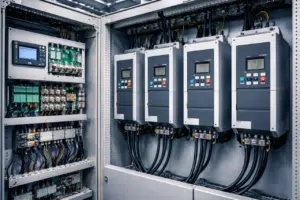
The marine thruster control system is a pivotal structure that ensures effective maneuverability and stability of vessels during navigation. Understanding its various components is crucial for grasping how it operates. The primary elements encompass thrusters, control panels, sensors, actuators, and electrical systems.
Thrusters serve as the core component of the marine thruster control system. These propulsion devices allow a vessel to move laterally or maintain its position, which is essential in environments where precise handling is critical. Their design can vary, but they are typically classified into azimuth thrusters and tunnel thrusters, each offering unique advantages according to specific vessel requirements.
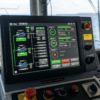
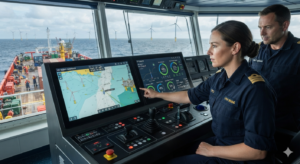
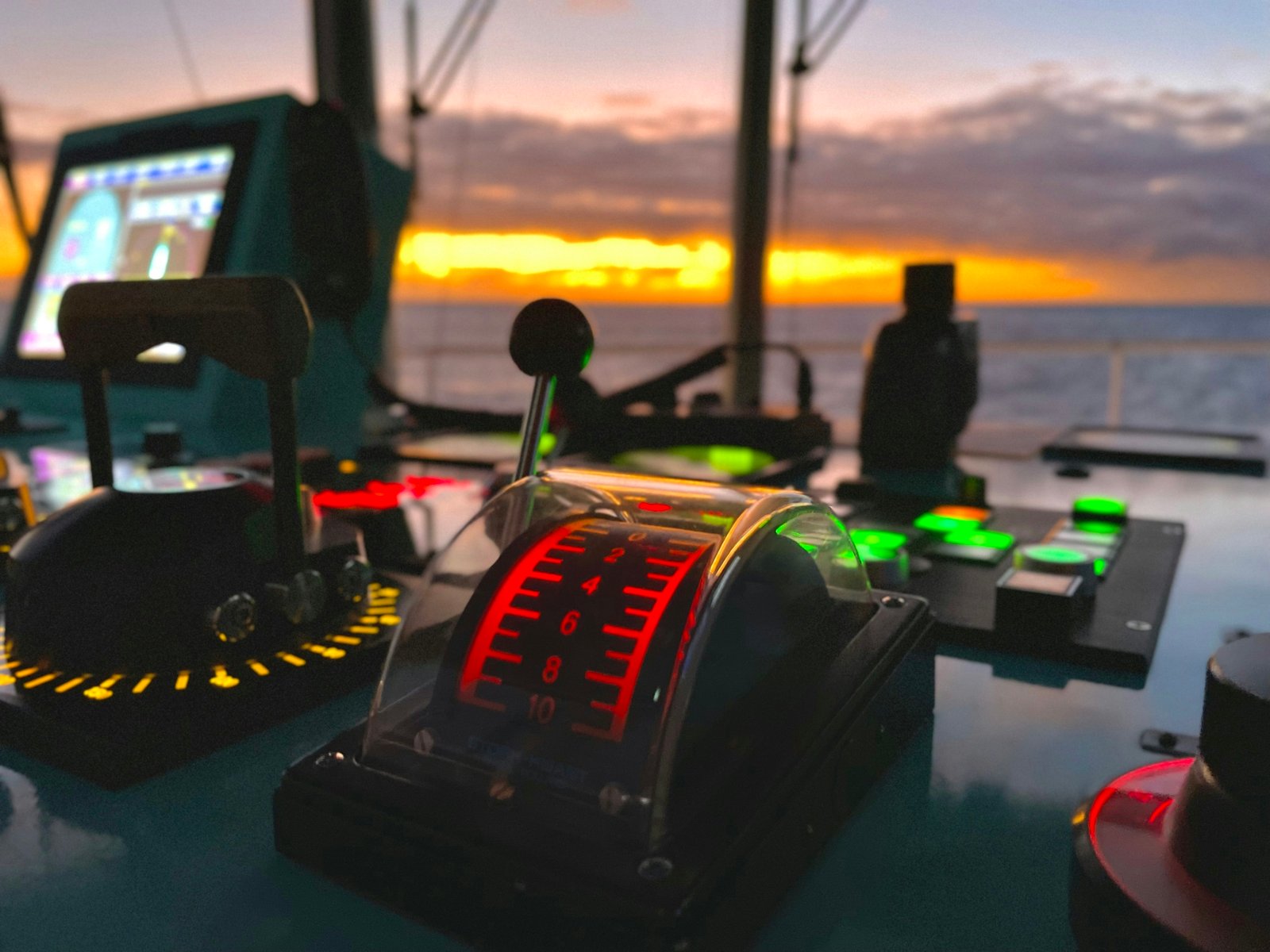
Next, control panels function as the interface between the operator and the thruster control system. Through these panels, operators can engage the thrusters, adjust their thrust levels, and monitor performance indicators. Modern control panels often incorporate advanced technology, including touch screens and user-friendly interfaces, which enhance operational ease.
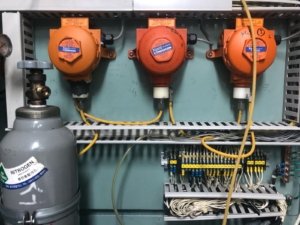
Sensors are integral to the precision of the marine thruster control system. They provide real-time data regarding various operational parameters such as speed, direction, and environmental conditions. This data is critical for ensuring that the system responds accurately and in a timely manner.
Actuators play a vital role in the mechanical movements within the thruster system. They translate electrical signals from the control panels into physical movements, allowing for the desired changes in thrust and direction. The reliability of actuators is paramount, as they directly influence the effectiveness of the thrusters.
Lastly, the electrical systems are the backbone that integrates all components of the marine thruster control system. This includes wiring, power distribution, and communication networks that ensure seamless interaction among the system’s elements. Additionally, software systems are developed for control and monitoring, allowing for automated adjustments based on sensor feedback, thereby enhancing performance and reliability.
Operating Principles and Control Strategies
The operating principles behind a marine thruster control system are rooted in the mechanics of fluid dynamics and propulsion technology. Thrusters are essential components that provide the necessary thrust for maneuvering and positioning marine vessels, particularly in constrained environments such as ports and offshore platforms. Utilization of marine thruster systems allows for enhanced control with minimal reliance on the vessel’s main engines, significantly improving navigation and positioning capabilities.
Various types of propulsion can be generated using thruster systems, including azimuth thrusters, tunnel thrusters, and retractable thrusters. These types differ in their design and operational mechanisms. Azimuth thrusters, for example, can rotate 360 degrees, allowing for multi-directional thrust, which enhances maneuverability. Tunnel thrusters are often fixed and provide lateral thrust, while retractable thrusters can be lowered and raised, providing both versatility and efficiency.
Control strategies employed in marine thruster control systems are vital for optimizing the performance and effectiveness of these propulsion units. Joystick control is a common strategy that provides direct and responsive management of the thrusters. By using a joystick interface, operators can intuitively control the thrust direction and intensity, allowing for precise movements. Furthermore, autopilot integration plays a crucial role in managing the vessel’s course automatically, enabling seamless operation and reducing the workload on crew members.
Dynamic positioning systems represent another advanced strategy, utilizing sophisticated algorithms and sensor data to maintain a vessel’s position automatically. These systems assess environmental factors, such as wind and currents, to continuously adjust the thrust output from the thrusters, ensuring stability and precision. Through the combination of these methods, a marine thruster control system enhances overall navigational efficiency, safety, and operational capacity of maritime vessels.
Maintenance and Troubleshooting of Marine Thruster Systems
Proper maintenance of the marine thruster control system is crucial for ensuring its longevity and optimal performance. Regular upkeep can prevent common issues that might compromise efficiency and safety during marine operations. Routine checks should include inspections of the electrical components, fluid levels, and mechanical parts. Keeping an eye on the condition of wiring and connections is particularly important, as corrosion can lead to malfunction. Similarly, verifying the hydraulic system for leaks and ensuring fluid integrity will help maintain performance.
Common issues that may arise with marine thruster systems include unresponsive thrusters, unusual noises, or erratic thrust. Such problems often stem from electrical faults, fluid leaks, or mechanical wear. If a thruster control system fails to respond, it may indicate a failure in the communication between the control unit and the thrusters. Diagnosing these problems involves checking error codes in the control system, inspecting wiring for damage, and testing hydraulic pressures to identify any discrepancies.
In addition to routine maintenance and self-diagnosis, it is vital to engage professional services at regular intervals. Experts can conduct thorough inspections, ensuring that all aspects of the marine thruster control system are functioning correctly. These assessments not only identify potential issues before they escalate but also support compliance with safety regulations. There, maintaining safety protocols is essential, as thorough inspections can help mitigate risks associated with marine operations. Regular maintenance paired with professional insights will significantly enhance the reliability and efficiency of marine thruster systems.