
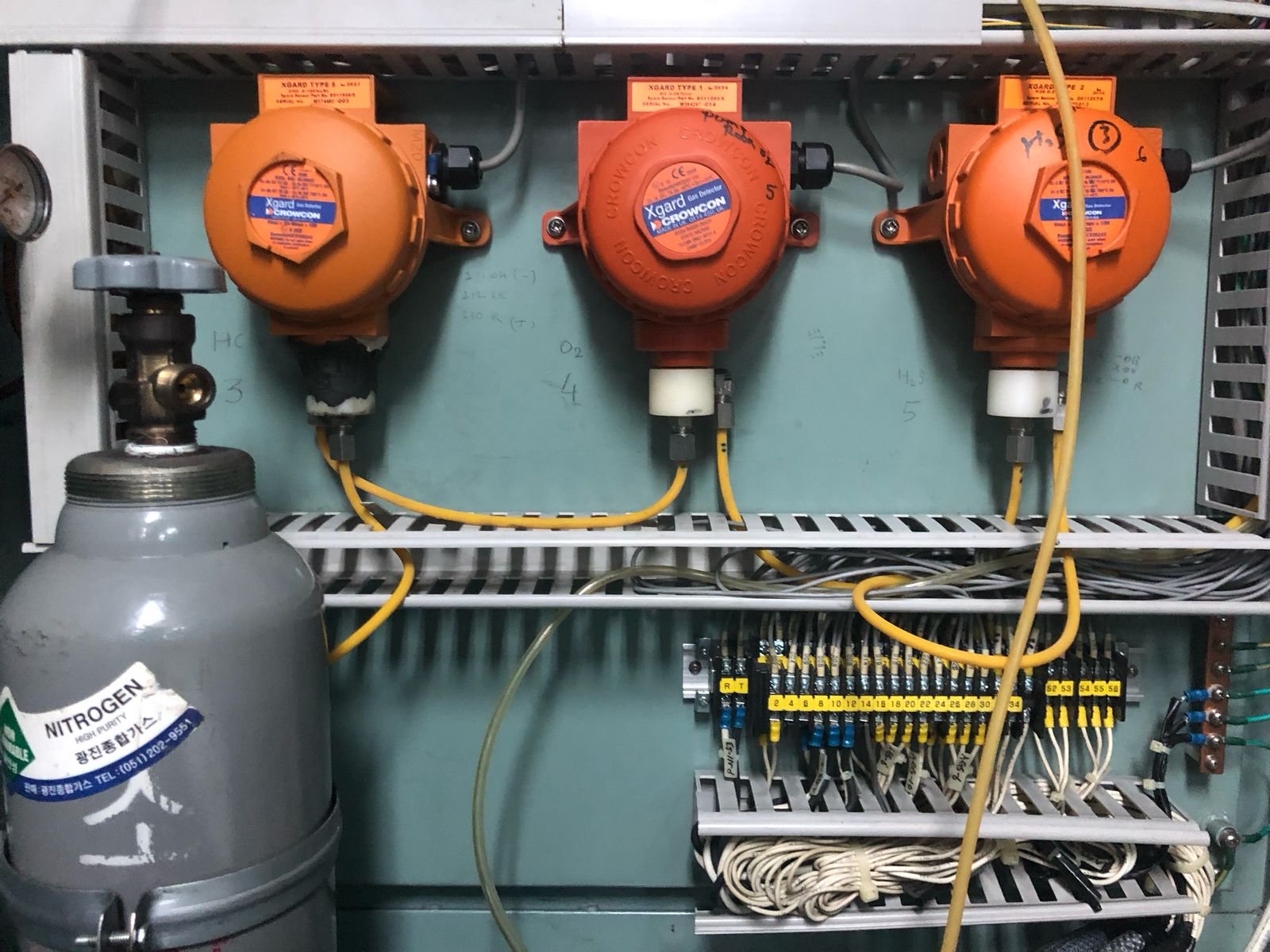
Introduction to Marine Gas Detection Systems
Marine gas detection systems play a vital role in the safety of maritime operations, acting as a critical measure in preventing hazardous situations aboard vessels and in marine environments. These systems are specifically designed to detect the presence of harmful or flammable gases, thereby safeguarding the crew, equipment, and the environment. The significance of implementing a reliable gas detection system cannot be overstated, as it ensures rapid identification and response to potential threats posed by various gases.
There are several types of gases that marine gas detection systems are trained to identify. Commonly detected gases include methane, hydrogen sulfide, carbon dioxide, and volatile organic compounds. Each of these gases poses distinct hazards, ranging from health risks to explosive potential. For instance, methane is a highly flammable gas that, when accumulated in confined spaces, can lead to explosions. On the other hand, hydrogen sulfide is a toxic gas, which can cause severe health effects or even fatalities upon exposure. Understanding these risks highlights the critical need for effective monitoring and detection systems in ensuring maritime safety.
By continuously monitoring gas concentrations in the air, marine gas detection systems contribute to the prevention of incidents that could endanger lives and property. Furthermore, these systems are essential not only during everyday operations but also in emergencies, as they provide critical data that aids in decision-making and response initiatives. The technology behind these detection systems has greatly advanced, incorporating sophisticated sensors and alarm systems that allow for real-time monitoring and alerts.
In summary, the importance of a well-integrated marine gas detection system cannot be overlooked, given its essential role in maintaining safety standards in the maritime industry. With the ability to detect a variety of hazardous gases, these systems help mitigate risks and enhance overall safety, emphasizing the ongoing need for their implementation on vessels operating in marine environments.
Types of Gases Detected
Marine gas detection systems are essential for ensuring safety in maritime operations, as they actively monitor a range of hazardous gases that can pose risks to personnel and equipment. Among the gases typically monitored, hydrogen sulfide (H2S), methane (CH4), and carbon dioxide (CO2) stand out due to their safety implications.
Hydrogen sulfide is a colorless, toxic gas often produced by the decomposition of organic matter, particularly in marine environments. It can accumulate in confined spaces, such as storage tanks or bilge areas on vessels, where it poses a serious risk to crew members. The detection threshold for hydrogen sulfide is typically around 10 parts per million (ppm), and levels as low as 20 ppm can lead to immediate health risks. This makes effective monitoring through a reliable gas detection system crucial in the maritime industry.
Methane is another significant component that marine gas detection systems are designed to identify. It is a byproduct of natural processes, including the decomposition of organic material under anaerobic conditions. Methane is a highly flammable gas, and its presence in non-ventilated areas can lead to explosive mixtures. The lower explosive limit for methane is approximately 5% by volume in air, creating an urgent need for detection systems to prevent potential disasters aboard ships and platforms.
Carbon dioxide, while less toxic than the aforementioned gases, is another critical focus for marine gas detection systems. As a byproduct of respiration and combustion processes, elevated carbon dioxide levels can disrupt crew comfort and lead to conditions such as hypoxia. Typical monitoring thresholds are set around 5000 ppm for workplace safety. Awareness of CO2 levels is vital, especially in enclosed spaces where accumulation can lead to dangerously low oxygen levels.
In summary, the gases monitored by marine gas detection systems, including hydrogen sulfide, methane, and carbon dioxide, each present unique risks and challenges. Understanding their sources, detection thresholds, and potential dangers is vital for maintaining safety and operational integrity in maritime environments.
Technologies Used in Gas Detection
Marine gas detection systems play a vital role in ensuring safety at sea by monitoring hazardous gases. Various technologies are utilized in these systems, each with its unique mechanisms, advantages, and limitations. Understanding these technologies is crucial for selecting an appropriate gas detection system for marine applications.
One of the primary detection methods is the electrochemical sensor. This technology works by detecting gas concentrations through a chemical reaction that occurs within the sensor. When gas interacts with the sensor, it produces an electrical current proportional to the gas concentration. Electrochemical sensors are advantageous due to their high sensitivity and specificity, which allows for accurate detection of target gases. However, they may have limited operational life and can be impacted by environmental conditions such as humidity and temperature.
Another significant technology in marine gas detection systems is the infrared sensor. This method employs infrared light to identify gas concentrations based on the absorption of specific wavelengths by the molecules of the gas. Infrared sensors have the benefit of being relatively unaffected by environmental factors, making them reliable for various marine conditions. Additionally, they tend to have a longer lifespan compared to electrochemical sensors. Nevertheless, they can be more expensive and require periodic calibration to maintain accuracy.
Catalytic bead sensors offer another viable option for gas detection on marine vessels. These sensors detect flammable gas concentrations through a catalytic reaction that occurs in the presence of the gas. They are widely known for their robustness and durability, which make them ideal for challenging marine environments. However, catalytic bead sensors may be less effective in detecting lower concentrations of gases and can be sensitive to poisoning from various substances.
In conclusion, marine gas detection systems utilize various technologies, including electrochemical sensors, infrared sensors, and catalytic bead sensors. Each type has its distinct advantages and disadvantages, and understanding these differences is essential for selecting the right system to ensure safety in marine environments.
Regulatory Standards and Best Practices
The implementation of a marine gas detection system is governed by a variety of regulatory standards and best practices, which are essential for ensuring safety in maritime operations. Compliance with these standards not only protects the personnel onboard but also minimizes risks to the marine environment. International codes such as the International Maritime Organization (IMO) guidelines establish fundamental safety measures that shipping companies must adhere to when installing gas detection systems.
One of the primary sets of regulations applicable to gas detection systems in the marine industry is the SOLAS (Safety of Life at Sea) convention. This sets forth requirements for both the installation and maintenance of gas detection systems aboard vessels. Additionally, the Marine Equipment Directive (MED) provides a framework for ensuring that the equipment meets consistent safety and performance standards.’
Beyond compliance, adopting best practices in the installation and operation of a marine gas detection system is critical. Regular maintenance schedules should be established, encompassing system checks, sensor calibration, and battery replacements, ensuring optimal functionality at all times. Training personnel to operate these systems effectively is another vital component. Crew members must be familiar with the specific gas detection system on their vessel, understanding not only how to utilize it but also how to respond to gas alerts.
Furthermore, the importance of conducting safety drills cannot be overstated. These drills prepare the crew for potential gas detection emergencies, reinforcing the protocols in place. In conclusion, adherence to established regulatory standards and the practice of ongoing training and maintenance of the marine gas detection system are paramount for maritime safety and environmental protection. Companies should remain vigilant and proactive in updating their practices in alignment with evolving regulations and industry innovations.