
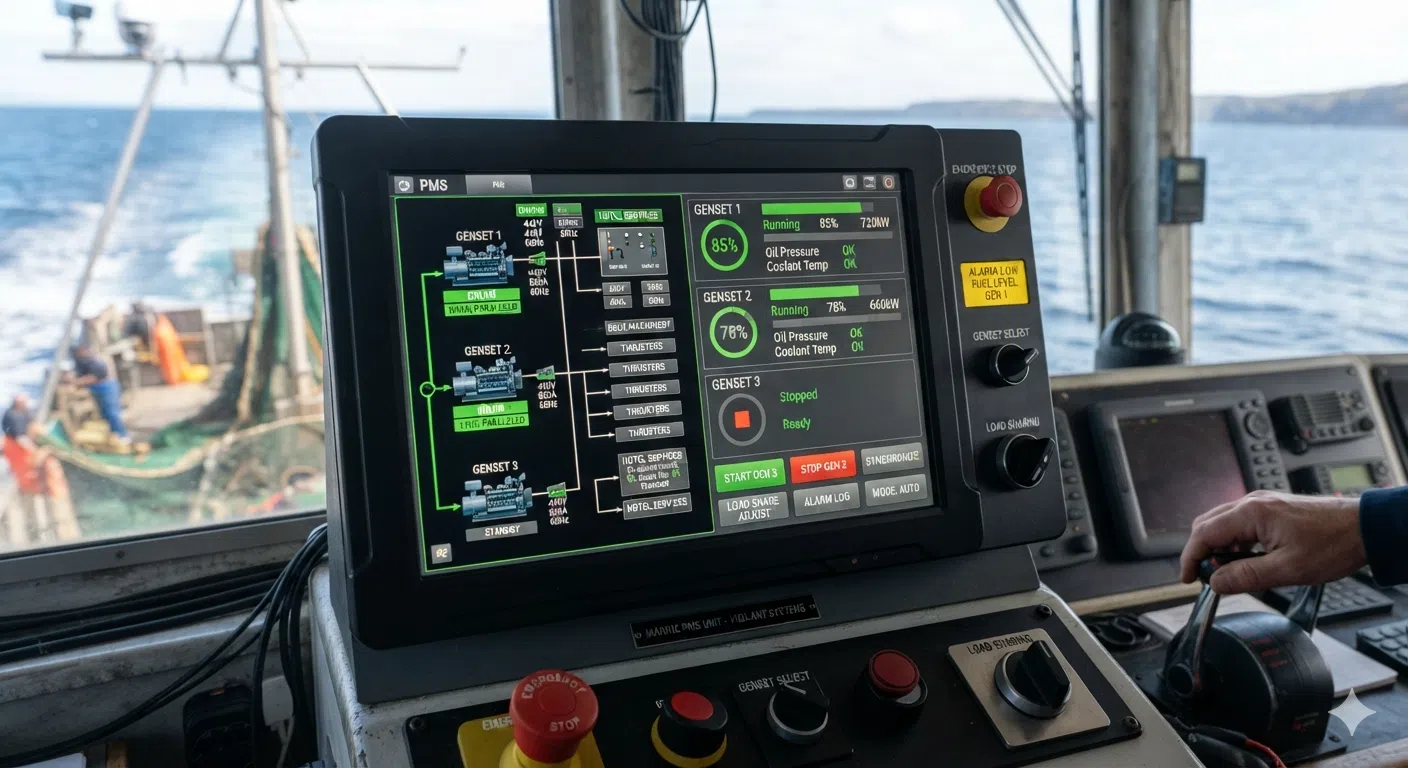
Understanding Generator Power Management Systems
Generator Power Management Systems (GPMS) are essential tools that enhance the efficiency and reliability of power generation solutions. They are designed to monitor and control multiple generators within a system to ensure optimal performance and resource utilization. A GPMS efficiently orchestrates the activities of generators, ensuring that power supply meets demand while minimizing fuel consumption and emissions.
The core function of a generator power management system is to balance the load between different generators, allowing for seamless integration and operation. Each system consists of several components, including controllers, sensors, and communication devices, which work together to assess generator performance and environmental conditions. By leveraging real-time data, these systems can make informed decisions regarding load sharing, start/stop functions, and maintenance scheduling, ultimately prolonging the lifespan of the equipment.
Generator management solutions come in various configurations, tailored to meet specific operational needs. Stand-alone systems are often deployed in remote locations where grid connectivity is limited, while more complex installations facilitate automated configurations in larger facilities, such as data centers or industrial sites. These systems can handle diverse power requirements and can be customized to include features like automated transfer switches, telemetry, and alert notifications for operational anomalies.
In terms of capabilities, GPMS play a crucial role in ensuring redundancy and reliability in power supply. Their primary functions include load monitoring, fuel management, performance optimization, and remote accessibility, which allows operators to manage their power generation assets from anywhere. The deployment of generators paired with an effective management system ensures uninterrupted operations, particularly in critical applications such as healthcare, telecommunications, and manufacturing.
Components of a Generator Power Management System
A Generator Power Management System (GPMS) consists of several integral components that work in tandem to ensure efficient operation, control, and monitoring of power generation and distribution. Each component plays a specific role, contributing to the overall effectiveness of the system. The key components include sensors, controllers, switches, and communication interfaces.
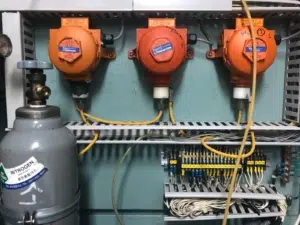
Sensors are critical in monitoring various parameters within the generator’s environment. They provide real-time data on factors such as temperature, voltage, current, and fuel levels. This data is essential for making informed decisions about power generation and distribution. For instance, if a sensor detects an irregularity in voltage levels, it can trigger other components to adjust operational settings to prevent damage to the generator or connected loads.
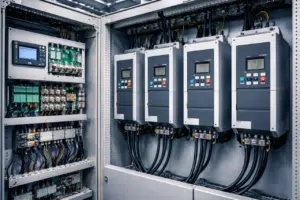
Controllers serve as the brain of the GPMS. These devices process the data received from sensors and execute decisions based on pre-defined algorithms. They are responsible for regulating the generator’s operation, managing load distribution, and ensuring optimal performance. For example, during peak demand periods, the controller can initiate additional generators to meet the increase in power requirements, thereby maintaining system stability.
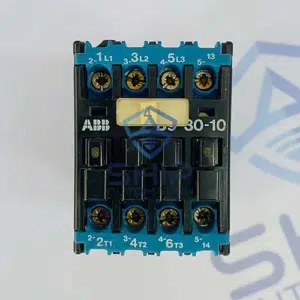
Switches, both manual and automatic, facilitate the seamless transfer of power between different sources and loads. They can quickly isolate parts of the system during maintenance or fault conditions, protecting the system and ensuring safety. Automatic switches, especially, play a crucial role in maintaining uninterrupted power supply by enabling swift transfers between primary and backup sources.
Lastly, communication interfaces enable effective data exchange between all components within the GPMS. They allow for remote monitoring and control, facilitating system management from centralized locations. With advancements in technology, many GPMS now incorporate IoT capabilities, enabling real-time analytics and system adjustments from anywhere.
Benefits of Implementing a Generator Power Management System
Implementing a generator power management system (GPMS) can yield significant advantages for both industrial and commercial settings. One of the primary benefits is improved energy efficiency. By optimizing generator operations and reducing unnecessary energy waste, a GPMS ensures that power consumption is minimized, which can lead to substantial cost savings over time. This is particularly vital in environments where energy costs are high or subject to fluctuation.
Another critical advantage of utilizing a GPMS is the reduction of operational costs. With real-time monitoring and data analytics, operators can make informed decisions about load management and generator performance. This proactive approach helps to reduce fuel consumption and maintenance expenses. Furthermore, by implementing load-shedding strategies, a GPMS can lower peak demand charges, thus further decreasing overall energy costs.
Enhanced reliability and uptime are also notable benefits of a generator power management system. By continuously monitoring the condition and performance of generators, the system can quickly identify potential issues before they escalate into significant problems. This predictive maintenance capability helps ensure that generators operate efficiently and are available when needed, resulting in minimized downtime that can disrupt business operations.
Increased safety is yet another important consideration. A well-implemented GPMS can help reduce risks associated with generator operation, including electrical hazards and system overloads. For instance, by automatically shutting down generators in response to detected issues, the system safeguards both equipment and personnel. Real-world examples showcasing successful GPMS implementations, such as in hospitals or data centers, further illustrate these benefits, highlighting improved safety and operational efficiency outcomes.
Best Practices for Operating Generator Power Management Systems
Effective operation and maintenance of a Generator Power Management System (GPMS) are crucial for ensuring reliability and efficiency in power generation and distribution. Regular monitoring of the system plays a significant role in preemptively identifying potential issues. Scheduled check-ups should include evaluating the system’s performance metrics, such as power output and load balancing, to ensure it operates within its intended parameters.
System testing is another essential aspect of GPMS management. Perform routine tests to verify the operational integrity of the components within the system, such as transfer switches, control modules, and generator units. These tests should include simulated power loss scenarios to gauge the responsiveness of the backup systems. By routinely conducting these assessments, one can promptly identify deficiencies and rectify them before they escalate into critical failures.
Troubleshooting techniques also play a vital role in maintaining the health of a Generator Power Management System. Developing a systematic approach to diagnosing issues can facilitate quicker resolutions. Staff should be trained to understand common failure patterns and to utilize diagnostic tools effectively. This readiness ensures that minor disruptions do not lead to prolonged downtime.
As technology evolves, so too should your GPMS. Regularly upgrade system components to incorporate newer technologies that can enhance performance and efficiency. Integration of advanced features such as remote monitoring and automated load management can provide significant operational advantages.
Compliance with safety and environmental regulations is paramount. Ensure your GPMS adheres to local laws concerning emissions and safety standards to mitigate risks and align with best practices. Adopting these guidelines ensures that your Generator Power Management System operates at optimal efficiency while maintaining compliance, ultimately leading to reliability and sustainability in power generation.