
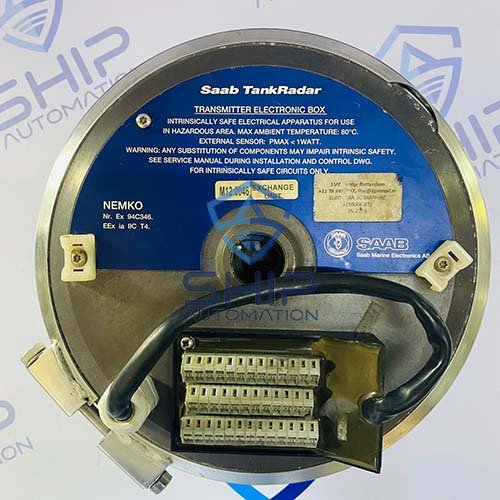
Introduction to Marine Tank Radar Monitoring Systems
Marine tank radar monitoring systems play a crucial role in the maritime industry, serving as essential tools for the effective management of liquid cargoes in tankers and other vessels. These systems utilize radar technology to continuously monitor the levels of liquids within storage tanks, providing real-time data that is critical for operational efficiency and safety. Their primary function is to ensure accurate tracking of tank levels, which helps to prevent overflows and optimize the loading and unloading processes.
The significance of a marine tank radar monitoring system extends beyond mere level measurement. By integrating advanced radar technology, these systems enhance overall safety by ensuring that tanks are not only filled appropriately but also preventing spills and leaks that could lead to environmental hazards. Moreover, compliance with international maritime regulations is ensured through the use of these sophisticated monitoring systems, which help operators maintain accurate records and data concerning the quantities of substances transported.
Marine tank radar monitoring systems also offer features that facilitate the automation of various maritime operations. For example, they can be connected to centralized control systems, allowing operators to access tank data from different locations on the vessel. This connectivity enables timely decision-making, crucial for efficient vessel operations and compliance. By providing live monitoring data, these systems assist in managing cargo, preventative maintenance, and risk assessment.
In essence, a marine tank radar monitoring system serves as an indispensable component of modern maritime operations. By delivering precise tank measurements, enhancing safety protocols, and ensuring regulatory compliance, they significantly contribute to the efficient and responsible management of maritime resources.
How Marine Tank Radar Monitoring Works
The marine tank radar monitoring system employs advanced radar technology to precisely measure the levels of liquids within tanks situated on vessels. At its core, radar operation relies on the transmission and reception of electromagnetic signals. The fundamental principle behind this technology is based on the reflection of these signals from the liquid surface back to the radar sensor. This interaction allows for the determination of distance as the time taken for the signal to travel to the liquid surface and back is measured.
In a typical setup, radar waves are emitted from the radar sensor mounted at the top of the tank. As the radar waves encounter the liquid surface, they reflect back towards the sensor. This process incorporates various types of radar systems, including pulse radar and frequency-modulated continuous wave (FMCW) systems. Pulse radar works by sending short bursts of radar waves, while FMCW sends continuous signals that vary in frequency, allowing for more precise distance measurement and enhanced accuracy in level detection.
The data collected from these reflections is then interpreted by the monitoring system. Advanced algorithms process the time-of-flight information to calculate the exact liquid level within the tank. This real-time data is crucial for vessel operators in maintaining optimal cargo levels, monitoring safety parameters, and ensuring compliance with maritime regulations. Additionally, sophisticated marine tank radar monitoring systems can integrate with broader onboard management systems, allowing for seamless data sharing and operational efficiency.
Overall, the effective functioning of a marine tank radar monitoring system is crucial for meeting maritime safety standards and optimizing vessel operations. By understanding how these systems work, maritime professionals can better appreciate their role in efficient marine tank management.
Benefits and Applications of Marine Tank Radar Monitoring Systems
The implementation of a tank radar monitoring system in marine environments provides numerous advantages that significantly enhance operational capabilities across various sectors. One of the primary benefits is the increased safety it offers, particularly in challenging maritime conditions. By utilizing precise measurement capabilities, these systems help in accurately gauging tank levels, thereby preventing overflows or accidents that could lead to dangerous spills, protecting both personnel and the environment.
Another notable advantage is operational efficiency. The marine tank radar monitoring system enables real-time monitoring and reliable data collection, which assists operators in making informed decisions. For instance, operators can optimize loading and unloading processes in shipping operations, reducing wait times and maximizing cargo capacity. Furthermore, this streamlined approach can lead to substantial cost savings, as it minimizes resource wastage and enhances throughput.
Environmental protection is also a critical factor influenced by radar monitoring systems. By providing accurate tank measurements, these systems reduce the risk of environmental contamination from spills and leaks. In the oil and gas sector, for example, companies can employ radar technology to ensure that tanks are accurately monitored, thereby adhering to both regulatory compliance and sustainable practices.
The applications of marine tank radar monitoring systems extend across several sectors including shipping, oil and gas, and fisheries. In shipping operations, they are vital for monitoring fuel levels, enabling vessels to operate efficiently and safely. In the oil and gas industry, radar systems assist in managing large tanks and production facilities, while in fisheries, these systems help track the levels of various substances in storage tanks, ensuring compliance with safety and regulatory measures.
In conclusion, the integration of marine tank radar monitoring systems provides essential benefits that enhance safety, efficiency, and environmental stewardship across diverse marine applications. This technology not only supports various industries but also plays a pivotal role in shaping a sustainable future for marine operations.
Choosing the Right Marine Tank Radar Monitoring System
When it comes to selecting a marine tank radar monitoring system, several critical factors should be considered to ensure that the chosen system meets the specific needs of your operation. Compatibility is paramount; the system must seamlessly integrate with existing equipment aboard the vessel or within the facility. Before committing to a purchase, assess whether the radar monitoring system can communicate effectively with your current technology.
Next, evaluate the range of the radar system. Depending on the size of the tank and the layout of the installation site, a system with an adequate range will provide accurate readings across the necessary distances. In general, a longer range enhances operational capabilities, particularly for larger tanks or expansive marine environments. Moreover, resolution is another vital consideration; high-resolution units offer superior measurement accuracy which is crucial for maintaining safety and operational efficiency.
Budget constraints will also play a significant role in your decision. It is essential to balance functionality with cost to identify a system that fits your financial parameters without compromising the quality or performance needed for effective tank monitoring. Consider not only the initial costs but also ongoing maintenance expenses that may arise over time.
Installation processes vary from one marine tank radar monitoring system to another; therefore, review the manufacturer’s guidelines and ensure that the installation is feasible for your technical proficiency. Hiring professional services for installation is advisable if necessary. Additionally, implementing a rigorous maintenance schedule will be crucial for ensuring the longevity and efficiency of the tank radar monitoring system. Regular checks, updates, and calibrations will minimize the risk of malfunctions and extend the system’s operational life.