
Introduction to Marine Dynamic Positioning
Dynamic positioning systems, often abbreviated as DP systems, are advanced maritime technologies utilized to maintain a vessel’s position and heading by employing its own propellers and thrusters. This capability is essential in various marine operations, where precise positioning is critical, such as offshore drilling, pipelaying, and underwater construction. The importance of marine dynamic positioning systems lies in their ability to keep the vessel stationary even in the presence of wind, waves, and current, thereby enhancing safety and operational efficiency.
The basic principle behind a dynamic positioning system involves the use of sensors that continuously monitor the vessel’s position and environmental conditions. These sensors provide data to a control system, which calculates the necessary adjustments to the thrusters to maintain the desired position. This real-time feedback loop allows for rapid response to changing marine conditions, ensuring that the vessel remains securely in place.
Marine dynamic positioning systems can be categorized into three primary classes based on their performance and operational capabilities. Class 1 systems offer basic position-keeping capabilities with limited redundancy. Class 2 systems are designed with additional safety features to ensure reliable operations under adverse conditions. Class 3 systems provide the highest level of redundancy and reliability, often utilized in critical operations where failure is not an option. Each class of DP system serves a specific purpose, catering to diverse operational requirements.
The significance of dynamic positioning in the marine industry cannot be overstated. It has revolutionized how offshore operations are conducted, allowing for more efficient and safer exploration of marine resources. As the demand for offshore investments grows, understanding the various types of marine dynamic positioning systems and their operations will be essential for professionals in the maritime sector.
Components of Dynamic Positioning Systems
A marine dynamic positioning system is designed to automatically maintain a vessel’s position and heading by using thrusters, sensors, and control systems. Understanding the key components of this system is essential for grasping how it functions effectively in various marine environments.
The first critical component of a dynamic positioning system is the sensors. These instruments are tasked with gathering real-time data regarding the vessel’s position, motion, and environmental conditions. Different types of sensors are employed, including Global Navigation Satellite System (GNSS) receivers, motion sensors, and wind sensors. The data collected by these sensors is crucial, as it allows the system to make informed decisions about the necessary adjustments to keep the vessel stable.
Next, the thrusters play a pivotal role in a marine dynamic positioning system. These are powerful propellers or water jets that provide the thrust needed to counteract any external forces acting on the vessel, such as wind, waves, and currents. The thrusters are strategically positioned on the vessel to optimize control. Each thruster can be activated independently to achieve precise movements in conjunction with the data provided by the sensors.
The control systems form the brain of the dynamic positioning system. They analyze the data received from the sensors and determine the required actions to maintain the vessel’s desired position. This involves complex algorithms and control strategies that ensure the effective coordination of the thrusters. The control system continuously monitors the environment and makes real-time adjustments to compensate for any changes, ensuring the vessel remains stable under varying conditions.
In conclusion, a marine dynamic positioning system relies on the synergistic functionality of its components, including sensors, thrusters, and control systems. Together, these elements work seamlessly to ensure that a vessel can maintain its position and stability, even in challenging marine environments.
Applications of Dynamic Positioning in the Marine Industry
Marine dynamic positioning (DP) systems play a critical role in a variety of applications across the maritime industry. These systems are engineered to maintain a vessel’s position and heading by utilizing its own thrusters and sensors to counteract environmental forces, such as wind and currents. The diverse applications of dynamic positioning span sectors, including oil and gas exploration, offshore construction, and marine research.
In the oil and gas sector, dynamic positioning systems are essential for the operation of drilling rigs and support vessels. For instance, during the exploration of underwater oil reserves, drilling units need to maintain precise positioning amid challenging sea conditions. The application of marine dynamic positioning here ensures that drilling is carried out efficiently and safely, minimizing the risk of accidents that could arise from deviation. The use of DP systems in this context allows for continuous operations even in harsh weather, which is critical for meeting production targets.
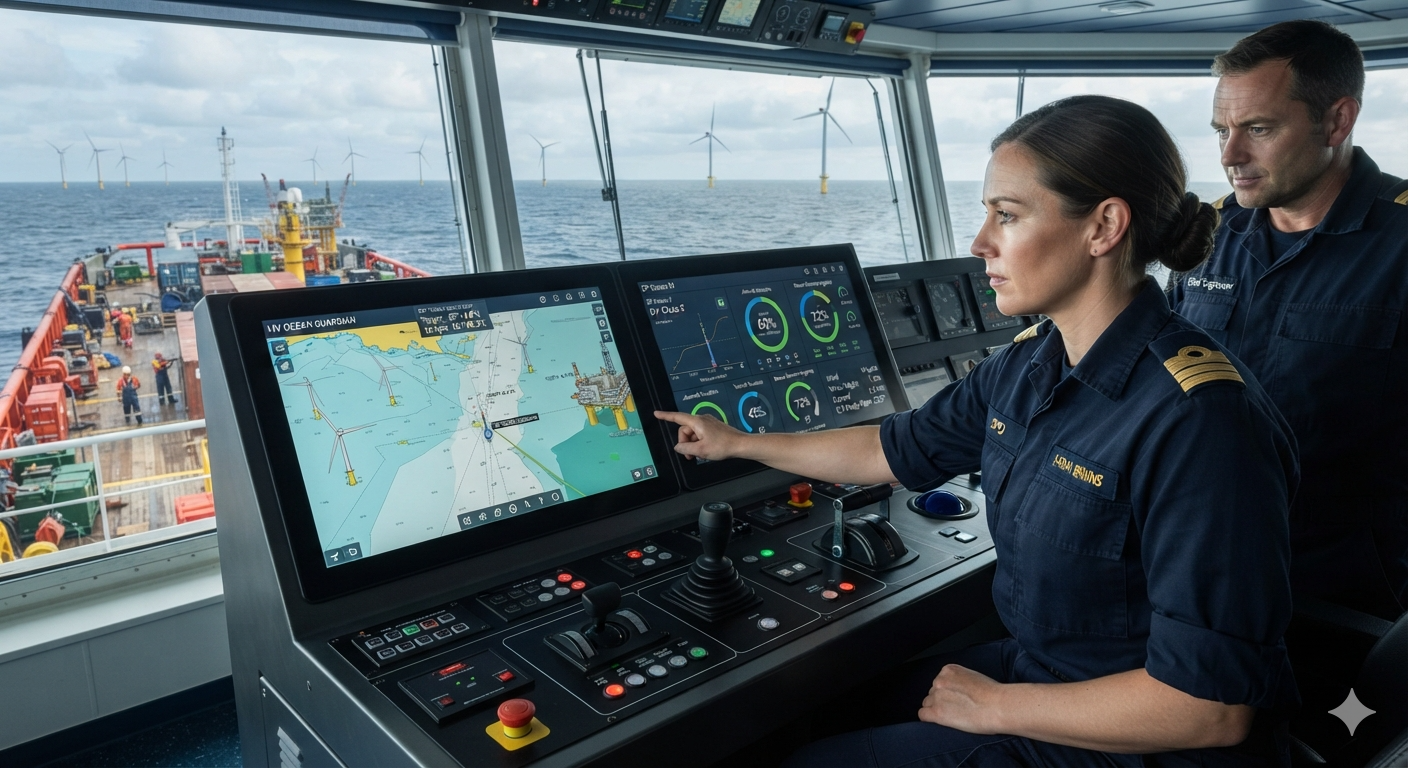
Offshore construction has also greatly benefited from the advancement of dynamic positioning technology. Vessels equipped with these systems can position with remarkable precision when undertaking tasks such as subsea construction, where heavy components must be placed accurately at deep-sea locations. For example, when installing wind turbines or subsea pipelines, a dynamic positioning system facilitates the necessary stability and positioning required for the intricate operations, ultimately contributing to cost-effective and timely project execution.
Moreover, in marine research, dynamic positioning systems are applied to support scientific studies in environmental monitoring and underwater exploration. Research vessels equipped with DP capabilities can maintain stable positions while conducting surveys or collecting data, ensuring the reliability and accuracy of the findings. This application underscores the importance of these systems in enhancing the safety and effectiveness of marine research expeditions.
Through these examples, it is evident that dynamic positioning systems significantly contribute to the efficiency and safety of operations in various marine sectors. Their versatility makes them indispensable tools in modern marine activities, paving the way for advancements and innovations in the field.