
Understanding Marine CCTV Systems
Marine CCTV systems are critical tools for enhancing security and surveillance in maritime environments. These systems are designed to monitor activities on various types of vessels, including fishing boats, cargo ships, and luxury yachts. Their implementation helps in ensuring safety while navigating through potentially hazardous waters, protecting valuable cargo, and maintaining a secure perimeter against theft or other unlawful activities.
A marine CCTV system typically consists of several essential components. First and foremost are the cameras, which can be tailored for diverse environmental conditions. For instance, waterproof and corrosion-resistant cameras are vital for enduring harsh marine settings. Additionally, these cameras may come equipped with night vision capabilities or thermal imaging to provide clear visuals irrespective of the time of day or visibility conditions.
Recording devices also play a crucial role in marine CCTV systems. High-capacity digital video recorders (DVRs) or network video recorders (NVRs) enable the storage of recorded footage, allowing operators to review past events as needed. This feature becomes particularly important for investigations following incidents or for compliance with maritime regulations.
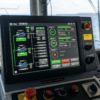
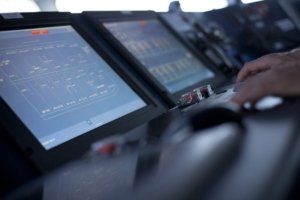
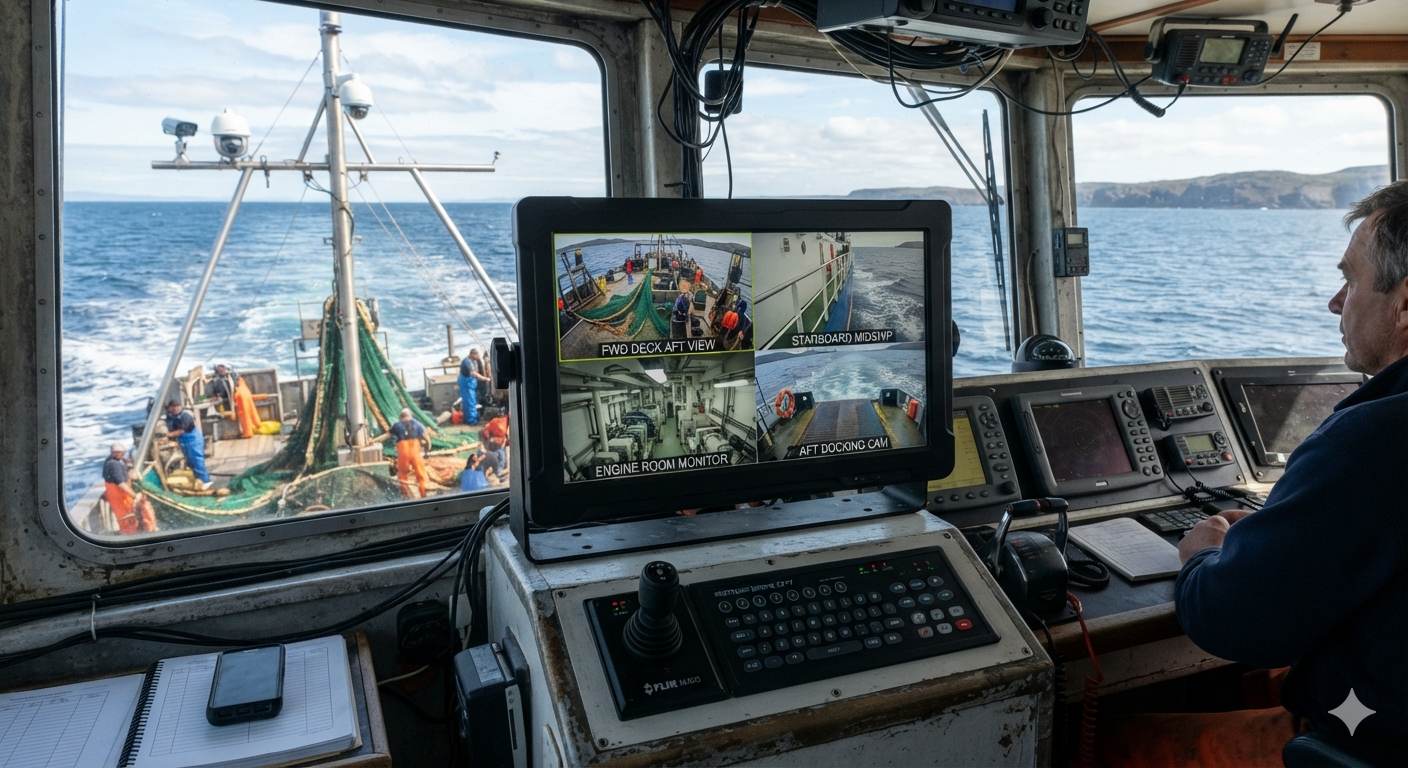
Monitoring equipment, such as displays and control systems, allows crew members to keep an eye on multiple camera feeds simultaneously. Advanced marine CCTV systems may incorporate motion detection and alert functionalities, ensuring that any suspicious activities are promptly brought to the attention of vessel operators.
The applications of marine CCTV systems extend beyond mere surveillance. They can be employed for aiding navigation, documenting fishing activities, or ensuring compliance with maritime laws and regulations. In summary, the deployment of a marine CCTV system not only safeguards the vessel and crew but also enhances operational efficiency in marine activities.
Planning Your Installation
Planning the installation of a marine CCTV system is a critical step that ensures effective surveillance and monitoring while at sea. The first phase in this process involves a comprehensive assessment of the vessel’s layout. Understanding the design and unique features of your boat or ship can significantly influence the placement of the cameras, ensuring optimal coverage and functionality.
Next, determining the optimal camera locations is essential. Consider high-risk areas such as the bridge, engine room, and access points where security is particularly crucial. It may be beneficial to conduct a site survey during daylight and nighttime hours to observe visibility and potential obstructions. A well-planned layout not only enhances security but can also improve the quality of the footage captured by the marine CCTV system.
In addition to assessing physical placement, understanding the power and connectivity requirements for the marine CCTV system is vital. Ensure that you have access to reliable power sources and investigate whether wired or wireless camera installations would be more suitable for your needs. Both options have their merits; thus, evaluating your vessel’s infrastructure and the anticipated operational conditions will help in making the right choice.
Safety considerations must also be at the forefront during this planning phase. The marine environment poses risks that require careful scrutiny, such as extreme weather conditions or potential hazards like water ingress. Furthermore, adherence to regulatory compliance standards regarding surveillance equipment on maritime vessels is necessary to avoid legal ramifications.
Finally, selecting the right equipment tailored to specific maritime environments, including factors such as corrosion resistance and moisture protection, can further ensure the durability and longevity of your marine CCTV system. By taking the time to thoroughly plan your installation, you can maximize the effectiveness and reliability of the surveillance system, ultimately enhancing the safety and security of your vessel.
Installation Process Explained
The installation of a marine CCTV system involves a multi-step process that ensures effective monitoring of your vessel or marine environment. The process begins with planning the physical locations for the cameras and recording devices. Selecting optimal mounting locations is crucial; areas that maximize coverage and minimize blind spots should be prioritized. Consideration should be given to mounting height and angle to achieve the best field of view.
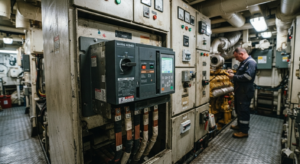
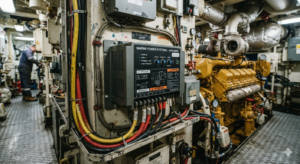
Following the physical placement, the next step involves wiring the cameras to the recording devices. This can include using coaxial or Ethernet cables, depending on the type of marine CCTV system chosen. Ensure the wiring is appropriately rated for the marine environment to withstand humidity, saltwater exposure, and potential abrasion. It is advisable to use conduit tubing for additional protection, securing wiring properly to prevent damage from movement or vibrations on the water.
When the physical installation is complete, attention must turn to the network setup. This involves connecting the CCTV system to a local or cloud server, enabling remote access and monitoring. During this stage, testing the connection is essential to ensure real-time viewing capabilities function as intended.
Waterproofing measures are paramount in a marine setting. All components of the marine CCTV system must be weather-proofed, including the cameras and housing units. Verify that the cameras have an adequate IP rating to prevent water ingress and consider protective covers if located in exposed areas. Environmental factors such as sunlight exposure and extreme temperatures should also be taken into account to maintain system integrity and longevity.
Lastly, after the installation and setup are complete, fine-tune the camera angles and adjust the settings for night vision and motion detection. This allows for a marine CCTV system that operates effectively under various conditions, providing reliable surveillance and peace of mind.
Testing and Maintenance of Your Marine CCTV System
Once the marine CCTV system has been installed, regular testing and maintenance become crucial to ensure optimal performance and reliability. Routine functionality tests should be performed to verify that all cameras and recording devices are operating correctly. This includes checking camera angles, image quality, and the clarity of the video feed, as well as ensuring that the recording system captures footage without interruptions. Any discrepancies, such as blurry images or malfunctioning cameras, should be addressed immediately to avoid potential blind spots.
Maintenance of your marine CCTV system should also extend to the physical condition of the components. Regularly inspect cameras for any signs of corrosion caused by the marine environment, and clean lenses to prevent dirt buildup, which can affect video quality. Ensure that all cables are secure and free from damage, as this can prevent the transmission of data and power. By adopting a proactive approach to maintenance, you can avoid costly repairs and decrease the likelihood of system failure.
Software updates are another vital aspect of maintaining your marine CCTV system. Manufacturers often release software patches that fix bugs or enhance performance features. Staying up to date with these updates can significantly improve your system’s effectiveness. Additionally, familiarize yourself with the troubleshooting procedures for common issues, such as loss of connectivity or audio problems. Having a routine check-in schedule can also assist in promptly identifying potential issues before they escalate into significant problems. In summary, consistent testing and maintenance of your marine CCTV system are key to sustaining its reliability, effectiveness, and longevity in demanding marine conditions.