
Understanding Marine Automation Equipment
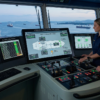
Marine automation equipment plays a critical role in enhancing the efficiency and safety of maritime operations. Defined broadly, this category encompasses a variety of systems designed to automate different functional aspects of marine vessels, thereby reducing human intervention and the likelihood of human error. With advancements in technology, marine automation equipment has evolved to include sophisticated controls and monitoring systems, elevating operational capabilities across the maritime industry.
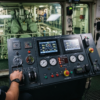
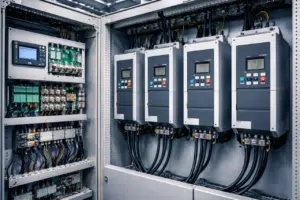
One of the primary types of marine automation systems is the propulsion control system. These systems provide automated control over a vessel’s propulsion machinery, facilitating smoother operation and better fuel efficiency. By integrating sensors and feedback mechanisms, these systems ensure optimal performance, allowing for adjustments in real-time to meet changing maritime conditions. Furthermore, such controls enhance manoeuvrability during docking and navigation, crucial for large commercial vessels.
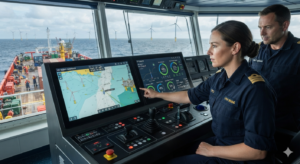
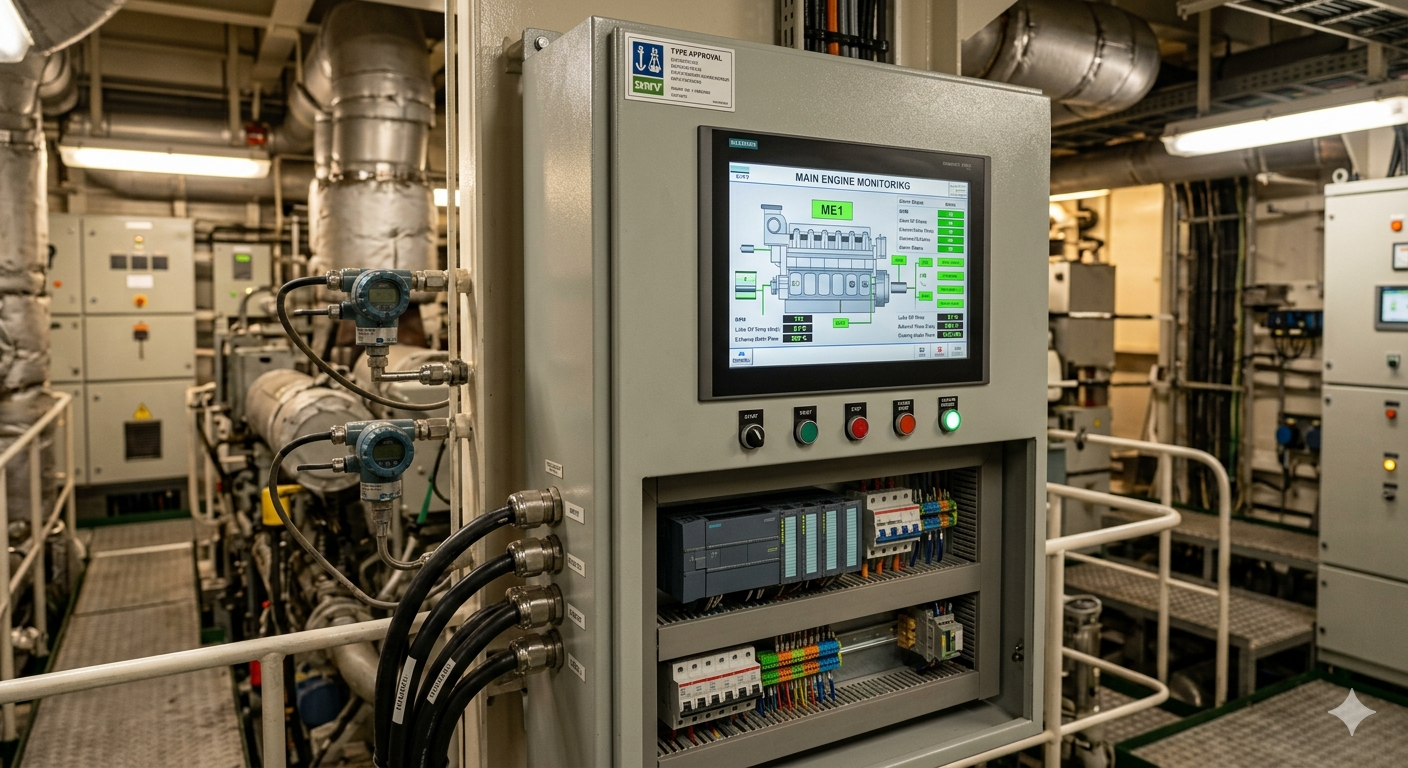
Monitoring systems constitute another vital component of marine automation equipment. These systems continuously track a wide range of parameters, including engine performance, ballast levels, and environmental conditions. Such real-time data allows crew members to make informed decisions, improving overall vessel management while ensuring compliance with safety regulations. Moreover, automated monitoring diminishes the workload on personnel, allowing them to focus on more critical tasks.
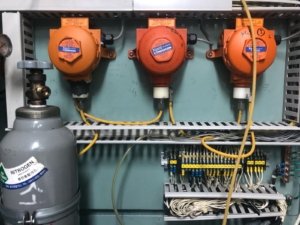
Additionally, safety equipment forms a cornerstone of marine automation systems. This includes advanced fire detection systems, alarm mechanisms, and emergency shutdown protocols. The inclusion of automation in these safety systems significantly increases response times to hazardous situations, ultimately enhancing crew and vessel safety.
In summary, the integration of marine automation equipment, through various systems like propulsion controls, monitoring solutions, and safety devices, serves to optimize operational efficiency and elevate safety standards within the maritime industry. As the demand for automation continues to grow, collaboration with a reputable marine automation equipment supplier becomes increasingly essential for vessel owners and operators.
The Role of Suppliers in the Marine Industry
Marine automation equipment suppliers play a vital role in the maritime sector, acting as the linchpins between manufacturers, shipbuilders, and ship operators. These suppliers are responsible for sourcing, manufacturing, and supplying specialized equipment that is essential for the smooth operation of ships and marine vessels. From advanced navigation systems to automated engine controls, the items provided by these suppliers are critical for enhancing operational efficiency and ensuring safety at sea.
The relationship between marine automation equipment suppliers and shipbuilders is particularly significant. Shipbuilders rely on these suppliers to deliver innovative solutions that meet the evolving demands of the industry. This collaboration often leads to the integration of cutting-edge technology into new vessel designs, thereby improving not only performance but also compliance with international safety standards. The suppliers are tasked with staying abreast of market trends and regulatory changes, ensuring that the equipment they provide aligns with the best practices in the maritime industry.
Moreover, marine automation equipment suppliers maintain ongoing relationships with ship operators. These suppliers offer essential support services, including maintenance, repairs, and upgrades to existing systems. By doing so, they contribute to the longevity and reliability of marine equipment, which is indispensable for maintaining operational continuity. This cooperation is vital for preventing downtimes that could lead to significant financial losses and safety hazards.
Ultimately, the role of marine automation equipment suppliers extends beyond mere distribution. They are enablers of innovation and efficiency, ensuring that the maritime industry remains competitive and adheres to safety protocols. By fostering strong partnerships with shipbuilders and operators, these suppliers are integral to the success and sustainability of maritime operations.
Key Features to Look for in a Marine Automation Equipment Supplier
Choosing the right marine automation equipment supplier is crucial for ensuring that operations run smoothly and efficiently in the maritime industry. First and foremost, one of the primary factors to consider is industry certifications. A reputable supplier should possess certifications that validate their adherence to international standards and regulations, thus ensuring product reliability and safety. These certifications often indicate a commitment to quality, which is essential in a field where equipment failure can have catastrophic consequences.
Furthermore, the availability of technical support is another vital aspect to consider. A reliable marine automation equipment supplier should offer robust customer support services that are accessible around the clock. This support is important not only during the purchasing process but also for maintenance and troubleshooting after installation. Quick access to experienced professionals can significantly reduce downtime and prevent operational losses.
Product quality should not be overlooked. Suppliers that emphasize quality assurance—such as rigorous testing procedures and the use of top-grade materials—tend to offer equipment that lasts longer and performs reliably. Many suppliers may claim to offer high-quality products; therefore, it is essential to investigate their manufacturing processes and potentially seek out third-party reviews or testimonies from other businesses in the industry.
Finally, innovation in technology is also crucial. The marine automation sector is continuously evolving, and suppliers who invest in research and development can provide cutting-edge solutions that enhance operational efficiency. Keeping abreast of technological advancements helps businesses remain competitive.
Moreover, it is always beneficial to consult customer reviews and references when evaluating a potential marine automation equipment supplier. Direct feedback from other clients can provide insight into the supplier’s reliability, product performance, and overall customer service.
Innovations and Trends in Marine Automation
The marine industry stands at the forefront of technological evolution, with significant advancements in marine automation equipment transforming maritime operations. One of the most noteworthy innovations is the integration of Artificial Intelligence (AI) into various marine systems. AI enhances decision-making processes, as it enables predictive maintenance and efficient resource management. Operators can anticipate equipment failures and streamline operations, which ultimately boosts productivity and reduces operational costs.
Additionally, the Internet of Things (IoT) has begun to play a critical role in marine automation. IoT systems facilitate real-time data exchange between equipment and operators, enhancing onboard communication and operational transparency. By enabling fleets to be monitored remotely, maritime operators can respond more swiftly to issues, ensuring high standards of safety and efficiency. For instance, sensors connected through IoT can monitor fuel consumption, environmental conditions, and equipment performance, allowing for data-driven decisions.
Moreover, the marine sector is increasingly focusing on sustainability, driven by technological advancements and regulatory demands. Marine automation equipment suppliers are now offering solutions that not only improve efficiency but also promote environmental responsibility. Innovations such as advanced engine control systems and automated ballast water management solutions help in reducing emissions and ensuring compliance with international regulations.
Looking ahead, the implications of these technologies on the marine industry are profound. As the demand for safer and more efficient maritime operations grows, companies are likely to invest heavily in these innovations. The future will see smarter vessels with autonomous capabilities that can adapt to changing conditions while optimizing fuel performance.
In conclusion, the continuous evolution of marine automation through technologies such as AI and IoT is set to redefine maritime operations, paving the way for enhanced operational efficiency, sustainability, and safety. With the ongoing support from marine automation equipment suppliers, these trends will likely shape the future of the industry.