
Understanding Marine Engine Control Systems
A marine engine control system is an essential component of a vessel’s overall functionality, responsible for regulating the performance and operation of marine engines. These systems integrate various technologies, including engine monitoring systems, engine alarm systems, and ship engine automation, to ensure the efficient and safe operation of marine propulsion. As vessels traverse vast water bodies, the reliability of these control systems becomes paramount in maintaining engine performance and safeguarding lives.
Marine engine control systems vary based on the type of engine employed. Common types of marine engines include diesel, gas turbine, and hybrid systems, each requiring specific parameters for monitoring and control. Diesel engines, for examples, often utilize a fuel control module, whereas gas turbines may rely on different algorithms designed for quick response and adaptability. Understanding these differences is pivotal for maritime engineers and operators to select the appropriate control system for each marine engine.
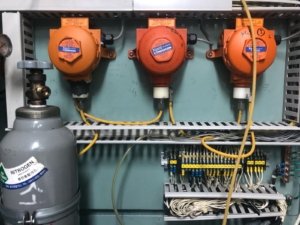
The primary purpose of a marine engine control system is to enhance the reliability and efficiency of engine operation. By continuously monitoring parameters such as temperature, pressure, and speed, these systems can identify anomalies or deviations from standard parameters. The engine alarm system then alerts operators to potential issues, enabling prompt corrective actions. This proactive monitoring through an engine monitoring system helps to minimize downtime and maintenance costs associated with unexpected failures.
Moreover, the importance of marine engine control systems cannot be overstated in terms of safety. Faulty engine performance can lead to catastrophic consequences at sea, making stringent control measures necessary. Automation within ship engine systems ensures that the vessel can maintain optimal performance even in challenging environmental conditions. Ultimately, a robust marine engine control system is crucial for effective marine operations, impacting fuel efficiency, operational reliability, and compliance with regulatory standards.
Components of Marine Engine Control Systems
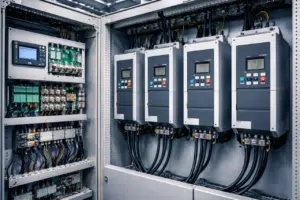
Marine engine control systems are composed of several crucial components that work together to ensure optimal performance and efficiency of marine propulsion engines. The primary hardware elements include throttle controls, various sensors, actuation systems, and electronic control units (ECUs). Each of these components serves a distinct purpose in managing the engine’s operations.
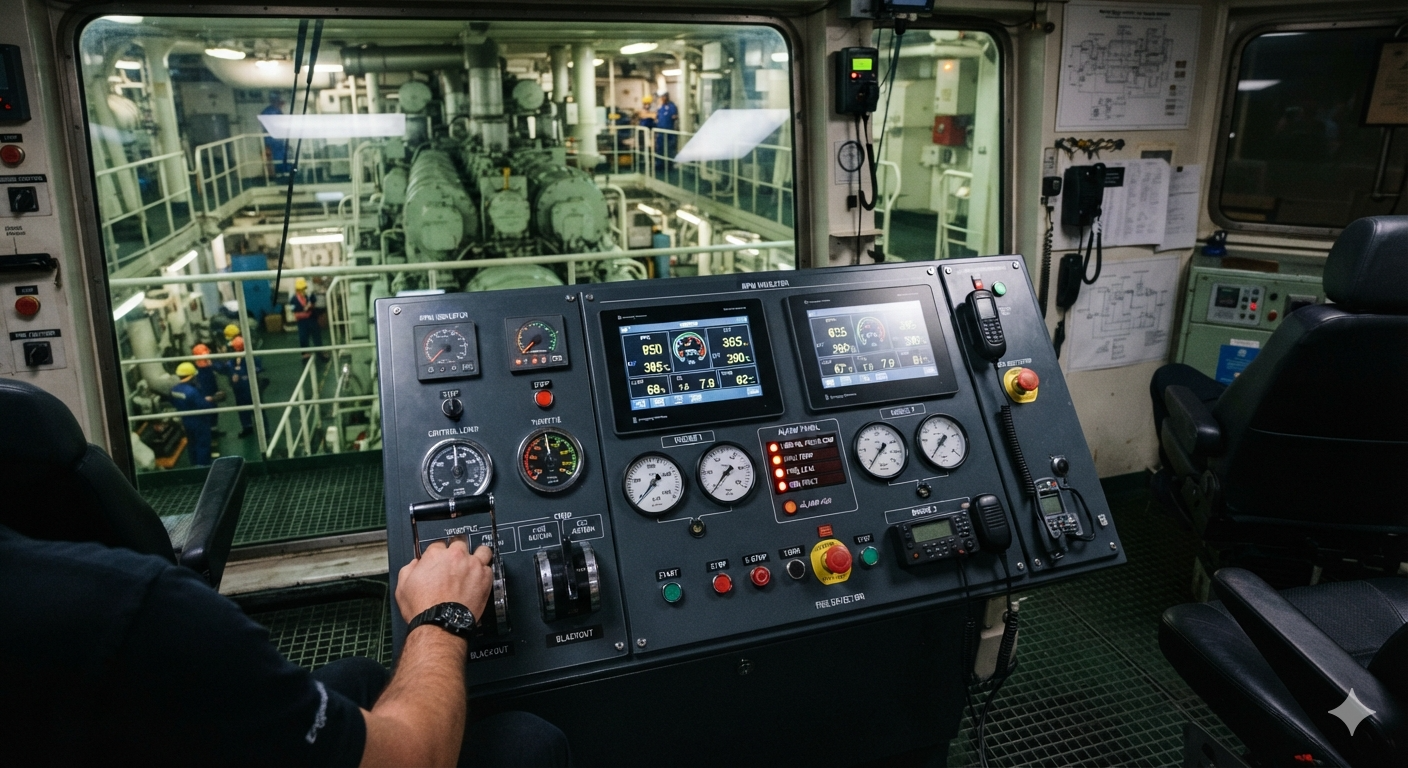
Throttle controls are essential for regulating the engine’s power output and speed. These can be operated manually or electronically, with modern systems increasingly favoring electronic controls for improved precision and responsiveness. Sensors are another vital aspect, maximizing the effectiveness of marine engine automation. These devices monitor critical parameters such as temperature, pressure, and fuel levels, providing real-time data to the engine monitoring system.
The data collected by sensors are sent to the electronic control units (ECUs), which serve as the brain of the marine engine control system. The ECUs process the input from multiple sensors, using algorithms to make decisions regarding fuel injection, ignition timing, and other essential functions. This processing enables the engine to operate efficiently under varying conditions while minimizing emissions.
Actuation systems further complement the control mechanism by enabling automatic adjustments based on the ECU’s commands. These systems execute changes in throttle position, fuel flow, and exhaust routing, enhancing the adaptability of the engine to different operating environments. In addition to hardware, the software that governs the algorithms and programming techniques employed in engine management plays a pivotal role in developing responsive and capable marine engine control systems.
Thus, the interaction between hardware components and sophisticated software forms the backbone of a reliable marine engine control system. Together, they ensure that vessels maintain optimal performance while enhancing safety and environmental compliance in marine operations.
Operating and Managing Marine Engine Control Systems
Effectively operating and managing a marine engine control system is critical for ensuring optimal performance and safety of maritime vessels. A marine engine control system encompasses various components that work in tandem with an engine monitoring system and an engine alarm system to maintain operational efficiency. Understanding key operational parameters is essential for operators to ensure that the systems are functioning within acceptable limits.
One of the best practices in operating a marine engine control system involves consistent monitoring of engine parameters such as temperature, pressure, and fuel consumption. These metrics can be effectively tracked using modern instrumentation within the engine monitoring system, allowing operators to make data-driven decisions that enhance operational reliability. Regular diagnostics of the engine alarm system can help in identifying any potential faults or anomalies, which can be crucial for preemptive maintenance and ensuring the safety of crew and vessel.
Moreover, maintenance of these systems should be treated as an ongoing practice rather than a one-time effort. Scheduled inspections, routine servicing, and prompt addressing of alarms can prevent major breakdowns, minimizing downtime at sea. Training crew members to respond appropriately to alarms and system alerts is vital for maximizing efficiency and ensuring a safe operating environment. Proper crew training enables them to understand the implications of various alarms and actuate corrective actions when needed.
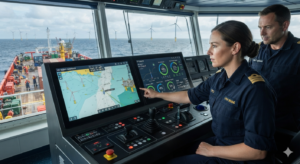
Automation plays a significant role in enhancing the functionality of ship engine automation, enabling real-time control and monitoring. With advanced automation technologies, marine engine control systems can operate more efficiently, thereby reducing human error and improving safety. As the marine industry continues to integrate smart technologies, the proficiency in managing these systems becomes indispensable for operators seeking to optimize performance and compliance with maritime regulations.
Future Trends in Marine Engine Control Technologies
The marine industry is undergoing significant transformation, driven by advances in technology and an increasing focus on sustainability. Emerging trends in marine engine control systems are shaping the future of maritime operations, with a particular emphasis on hybrid propulsion technology, automation, and environmental considerations.
Hybrid propulsion technology is at the forefront of this evolution, offering a more efficient and sustainable alternative to traditional engines. By combining conventional fuel engines with electric power systems, vessels reduce their carbon footprint and emissions, leading to a greener maritime operation. This technology not only aligns with global environmental goals but also results in cost savings through fuel efficiency. An effective marine engine control system is critical in managing the transition between power sources, ensuring optimal performance and reliability during operation.
Further advancements in ship engine automation and the engine alarm system are enhancing operational efficiency and safety. Modern engine monitoring systems utilize advanced sensors and data analytics to provide real-time information on engine performance. This capability allows operators to make informed decisions, minimizes downtime, and preemptively addresses issues before they escalate. Automation in marine engine control systems ensures that operations are not only streamlined but also more responsive to changing maritime conditions.
Finally, the shift towards sustainable maritime operations is prompting investments in research and development of eco-friendly marine technologies. Innovations in fuel alternatives, such as biofuels and hydrogen, are being integrated into contemporary engine designs, promising to revolutionize engine control systems further. As regulations become stricter regarding emissions, adopting these innovative solutions is vital for shipowners and operators aiming to maintain competitiveness in a rapidly evolving industry.
In conclusion, the future trends in marine engine control technologies present significant opportunities and challenges for the maritime sector. As the industry embraces hybrid propulsion, automation, and sustainability, the evolution of marine engine control systems will play a pivotal role in shaping the direction of maritime practices and operations.