
Introduction to Marine Control Systems
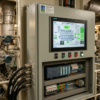
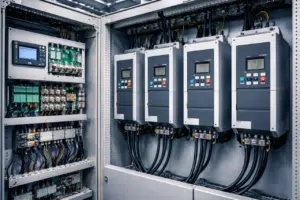
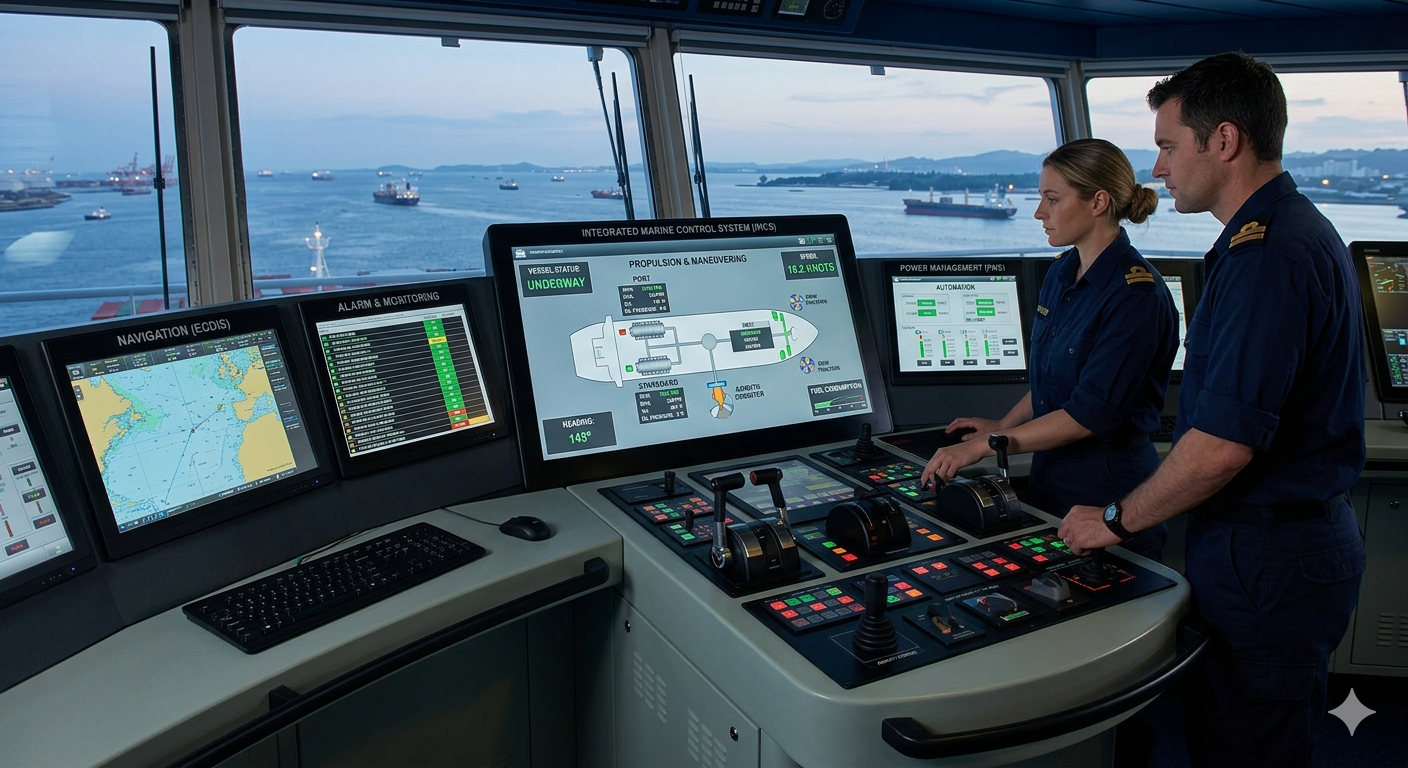
Marine control systems play a vital role in the functionality and operation of various marine applications, ranging from commercial shipping to recreational boating. These systems are designed to monitor, control, and optimize the performance of vessels in a wide array of conditions. The key components of a marine control system include sensors, actuators, controllers, and user interfaces, all working harmoniously to ensure efficient operations.
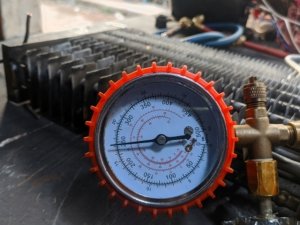
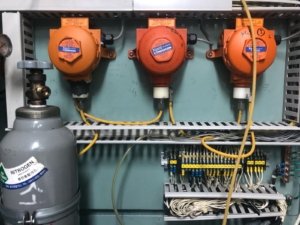
Sensors are crucial in marine control systems as they gather real-time data from the environment or the vessel’s equipment. This can include information on temperature, pressure, and navigation parameters. This data is then relayed to the controllers, which interpret the information and make necessary adjustments to maintain optimal performance. Actuators, on the other hand, are responsible for executing the actions dictated by the controllers, making adjustments to mechanical systems such as rudders and throttle controls.
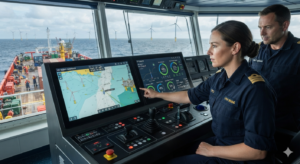
The user interface is another important component, allowing operators to interact with and monitor the marine control system. A well-designed interface enhances the ease of operation, enabling swift responses to changing conditions. The significance of reliability and efficiency in marine operations cannot be overstated. A marine control system supplier must ensure that these systems are robust and capable of operating under various challenging circumstances.
Furthermore, the integration of marine control systems enhances safety and facilitates automation on marine vessels. This is particularly important in avoiding accidents and improving overall navigation capabilities. As the industry moves towards more automated operations, the role of advanced control systems becomes increasingly significant, driving the demand for effective marine control system suppliers who can provide quality products and services.
Characteristics of a Reliable Marine Control System Supplier
A reliable marine control system supplier encompasses several key characteristics that ensure the provision of quality products and services. One of the foremost attributes is extensive industry experience. Suppliers that have operated within the marine sector for a significant period are more adept at understanding the unique challenges and demands of maritime applications. This experience translates into a nuanced approach to problem-solving and a deeper understanding of customer needs.
Furthermore, certifications and compliance with international standards are essential indicators of a reputable marine control system supplier. Adhering to standards such as ISO 9001 or the International Maritime Organization (IMO) regulations showcases a commitment to quality and safety. These certifications not only reflect the supplier’s dedication to maintaining high operational standards but also instill confidence in the customer regarding the reliability of the products offered.
Technical support is another crucial characteristic of dependable suppliers. A trustworthy marine control system supplier should provide comprehensive after-sales support, ensuring that clients can operate their systems efficiently and address any issues promptly. This support may include training for personnel, access to replacement parts, and responsive communication for troubleshooting.
In addition, the ability to offer custom solutions is vital. Each maritime operation has distinct requirements; thus, a supplier that can tailor its products to meet specific needs will typically stand out in the marketplace. Product reliability is paramount, considering the marine environment’s harsh and demanding conditions. Suppliers that consistently provide durable and dependable systems contribute significantly to minimizing downtime and enhancing operational efficiency.
Finally, innovation is crucial in a fast-evolving industry. A supplier that emphasizes research and development will likely offer advanced technologies that keep pace with the latest maritime trends, ultimately delivering enhanced performance and value to customers. Such commitment to innovation not only benefits the supplier’s reputation but also ensures that customers are equipped with cutting-edge solutions to navigate the challenges of modern maritime operations.
Top Marine Control System Suppliers Overview
In the marine industry, control systems play a critical role in ensuring safe and efficient operations aboard vessels. This section highlights some of the leading marine control system suppliers, known for their innovative solutions and extensive market reach.
Wartsila is a prominent player in the marine control system supply chain, providing integrated solutions that enhance the operational efficiency of vessels. Their offerings include advanced automation, power and propulsion, and hybrid solutions that cater to various types of vessels. Wartsila’s commitment to sustainability reflects in its products, aligning with the industry’s push towards greener technologies.
Siemens is another key supplier that focuses on digitalization and automation. Their marine control systems are designed to optimize performance while reducing operational costs. Siemens emphasizes the importance of data analytics in maritime operations, enabling vessel operators to make informed decisions. Collaborations with various maritime stakeholders enhance Siemens’ service and support, making it a reliable partner in the marine sector.
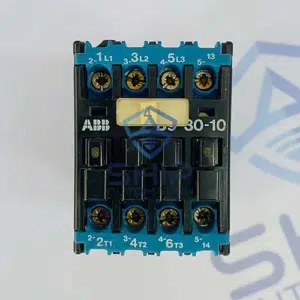
ABB also stands out with its marine control systems, renowned for their reliability and efficiency. ABB delivers solutions that cover everything from propulsion control to energy management. Their focus on automation and digital solutions is evident through partnerships with major shipping companies, reinforcing their commitment to advancing marine technology.
Kongsberg differentiates itself by offering cutting-edge integrated solutions for marine operations. Their products range from dynamic positioning systems to complete vessel management and control systems. Kongsberg maintains strategic alliances with shipping companies and other stakeholders, enhancing their ability to cater to customer needs effectively.
Lastly, Schneider Electric provides a suite of marine products designed to enhance energy efficiency and automate shipboard processes. Their focus on digital transformation empowers ship operators with smart solutions that contribute to overall vessel performance.
These top marine control system suppliers not only offer innovative products but also engage in partnerships that fortify their market presence. By understanding the strengths and offerings of these players, stakeholders in the marine industry can make informed decisions when selecting a marine control system supplier.
Future Trends in Marine Control Systems
The marine industry is on the cusp of significant transformation, driven by advancements in technology and a growing emphasis on sustainability. As the role of marine control system suppliers becomes increasingly pivotal, understanding emerging trends is crucial for stakeholders across the sector. Automation stands out as a key trend, with many marine control systems incorporating autonomous functionalities to enhance operational efficiency and safety. This wave of innovation is not just confined to large vessels; even smaller craft are gaining access to sophisticated automated control systems designed to streamline navigation and minimize human error.
Integration with smart technologies is another trend that is gaining momentum. Marine control systems are being designed to work seamlessly with IoT devices, allowing for real-time data sharing and more informed decision-making. For instance, advanced sensors can monitor vital parameters and transmit this data to centralized systems, enabling proactive maintenance and reducing downtime. As marine control system suppliers enhance their offerings with smart integrations, they can cater to the needs of clients who are increasingly expecting streamlined and intelligent solutions.
Sustainability also plays a vital role in shaping future developments within marine control systems. With a growing awareness of environmental impacts, the focus has shifted towards eco-friendly solutions. Suppliers are now exploring ways to optimize energy consumption and reduce emissions through innovative control systems that monitor and manage fuel usage. The shift towards greener technologies presents both challenges and opportunities; suppliers must adapt their products to meet stricter regulations while also tapping into a market that is eager for sustainable solutions. As these trends evolve, the marine control system suppliers who can navigate this changing landscape will be best positioned to thrive in the future.