
Introduction to Marine Electrical Systems
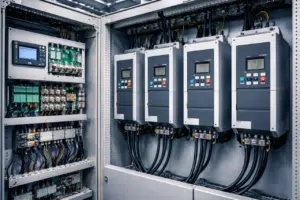
Marine electrical systems are essential components of any vessel, ensuring that critical operations are maintained and facilitating a wide array of onboard functions. These systems typically consist of two primary types of power systems: Alternating Current (AC) and Direct Current (DC). Understanding the differences between these two types is crucial for any marine operator. AC systems are often used for powering large motors and generators, whereas DC systems are more commonly found in battery-operated equipment and smaller electrical devices.
The significance of reliable marine electrical systems cannot be overstated. Not only do they provide the necessary power for navigation, communication, and safety equipment, but they also directly affect the overall functionality of the vessel. In an emergency, having well-maintained and functioning electrical components is essential for crew safety and effective crisis management. Many onboard technologies, from navigation systems to communication devices, depend heavily on the integrity of these electrical setups.
As such, marine electrical spare parts are critical for the maintenance and efficiency of these systems. Understanding the various elements that comprise marine electrical equipment enables ship operators to proactively manage their vessels’ electrical needs. Properly maintaining these systems involves not only the use of high-quality spare parts but also an awareness of how these systems integrate with other onboard technologies. This not only ensures that all systems work in harmony but also enhances the longevity of the vessel’s electrical infrastructure.
Key Marine Electrical Spare Parts
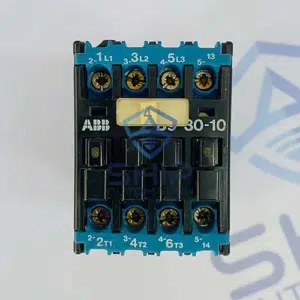
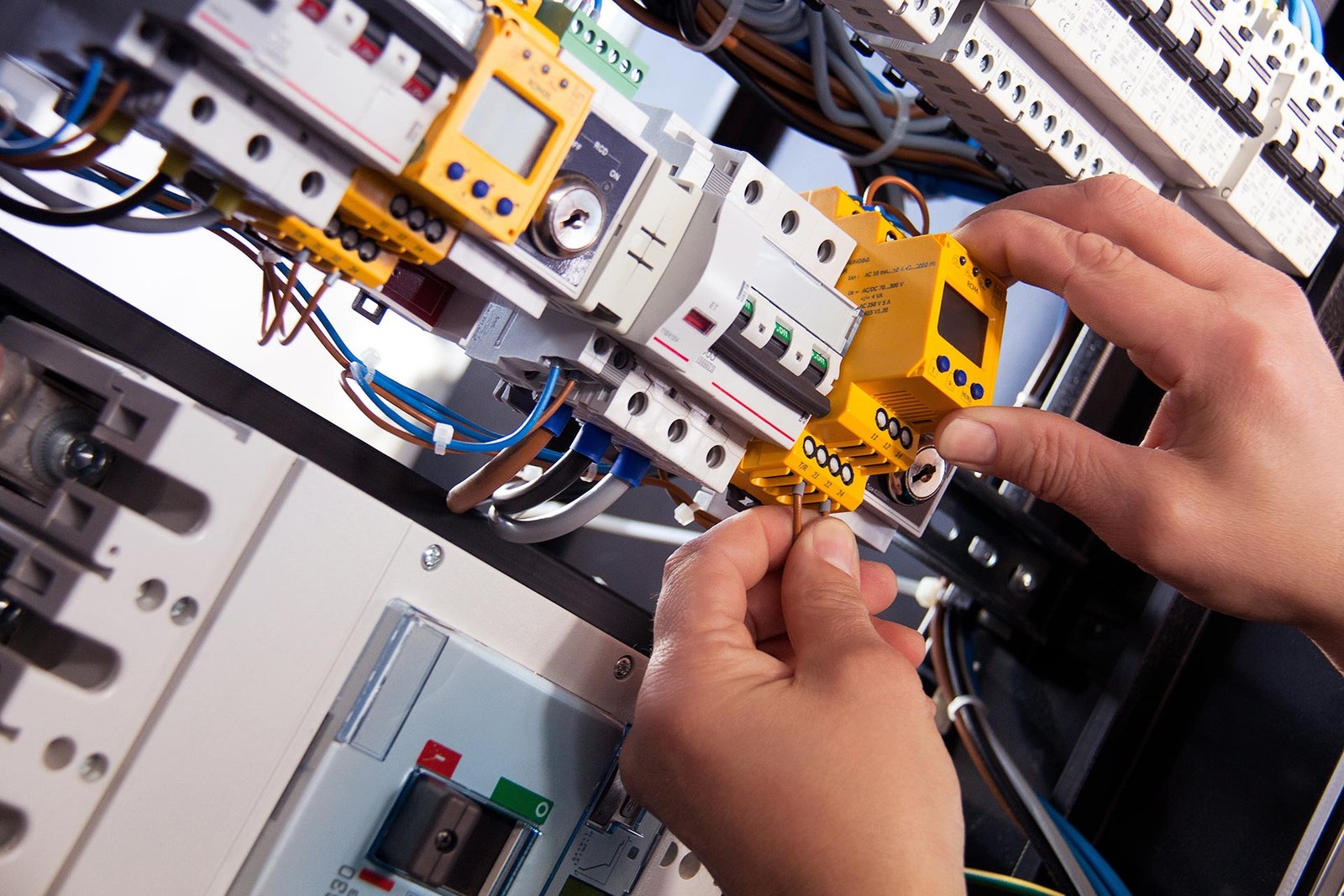
When it comes to ensuring the smooth operation of a vessel, having the right marine electrical spare parts on board is crucial. Among the essential components are fuses and circuit breakers, which serve as protective devices for electrical circuits, guarding against overloads that can lead to system failures or even fires. These parts should be regularly inspected and replaced as necessary to maintain vessel safety.
Connectors also play a pivotal role in marine electrical systems, facilitating the secure connections between different components. Marine-grade connectors are designed to withstand harsh conditions while providing reliable electrical connections. Similarly, light fixtures are indispensable in ensuring visibility and safety on board, especially during night operations.
In addition to these basic components, more complex marine electrical equipment such as alternators, batteries, and inverters must also be included in the vessel’s inventory of spare parts. Alternators are essential for generating electrical power while the engine is running, converting mechanical energy into electrical energy to recharge batteries and power essential onboard systems.
Batteries are the heart of any marine electrical system as they store energy and ensure reliable power supply for starting engines and running equipment when the vessel is not actively generating electricity. It is advisable to carry spare batteries to ensure functionality, especially in remote situations where access to replacements may be limited.
Finally, inverters play a significant role in converting DC power from batteries into usable AC power for various onboard electrical devices. These marine electrical spare parts are vital for effective vessel operations, ensuring that essential systems remain functional, thus safeguarding both crew and cargo. Proper maintenance and eventual replacement of these parts can significantly enhance the reliability and safety of a vessel at sea.
Maintenance and Replacement of Electrical Components
The effective operation of a vessel heavily relies on the integrity of its marine electrical systems. Regular maintenance and timely replacement of marine electrical spare parts are crucial to ensuring vessel reliability and safety. Conducting frequent inspections of electrical components can prevent unexpected failures at sea, shielding both crew and cargo from potential hazards.
It is recommended that vessels undergo routine checks for wear and performance at least every three months. During these inspections, it is vital to examine wiring for signs of corrosion, insulation for any breaches, and electrical connections for tightness and integrity. Components such as circuit breakers, fuses, and connectors should be scrutinized as they are central to the vessel’s electrical security. Moreover, paying attention to any unusual behavior—such as flickering lights or intermittent power loss—can be indicative of underlying issues needing immediate attention.
Equipping your vessel with an appropriate inventory of marine electrical equipment ensures that you are prepared for unexpected failures. Having a selection of essential spare parts on board not only reduces downtime but also enhances safety by allowing for quick repairs. Commonly stocked items might include batteries, switches, circuit breakers, lights, and wiring. Maintaining an updated inventory will aid in the systematic replacement of faulty components, supporting seamless operations and minimizing disruptions.Additionally, safety protocols should be strictly observed when replacing faulty electrical parts. Always ensure that the power is turned off before undertaking any repairs and use protective gear. Consultation with technical manuals for specific components and adherence to manufacturer guidelines plays a significant role in safeguarding both the technician and the vessel.
Continuous monitoring of marine electrical equipment not only enhances operational efficiency but also extends the lifespan of the equipment itself. By following these guidelines, vessel operators can ensure the longevity and reliability of their electrical systems.
Choosing the Right Spare Parts and Suppliers
When it comes to maintaining marine electrical systems, selecting the appropriate marine electrical spare parts is crucial for ensuring operational efficiency and safety. The choice of spare parts can significantly impact the vessel’s performance, so several factors should be taken into consideration when sourcing these components.
Firstly, compatibility should be the primary concern. Each marine electrical equipment piece is specifically designed for particular systems, and using incompatible parts may lead to operational failures or even safety hazards. Thus, it is essential to verify that the spare parts you are considering match the specifications and requirements of your existing systems.
Secondly, the quality of marine electrical spare parts should never be compromised. Only parts that meet recognized quality certifications should be selected. Such certifications often serve as indicators of reliability and safety, ensuring that the spare parts can withstand the marine environment’s rigorous conditions. It is advisable to obtain parts from manufacturers known for their robust quality assurance processes.
In addition to evaluating compatibility and quality, assessing the reliability of suppliers is vital. A trusted supplier can provide not only quality parts but also efficient service. Look for distributors with a solid reputation in the marine industry, preferably those with endorsements from other vessel operators. Customer reviews and testimonials can serve as valuable resources for evaluating a supplier’s reliability.
Establishing a strong relationship with suppliers can facilitate smoother procurement processes for marine electrical spare parts. Engaging in transparent communication can lead to insights into product availability, delivery timelines, and possible discounts for bulk orders. Therefore, consider maintaining ongoing contact with suppliers to keep your inventory well-stocked and avoid supply chain disruptions.
In conclusion, careful consideration of compatibility, quality, and supplier reliability is essential when choosing marine electrical spare parts. Through diligent research and strong supplier relationships, vessel operators can ensure the best outcomes for their marine electrical systems.