
Introduction to Marine Fire Detection Systems
Marine fire detection systems play a crucial role in ensuring the safety of ships and offshore platforms. These systems are specifically designed to address the inherent risks associated with marine environments, where the potential for fire hazards is significant. The confined spaces and varying conditions on vessels pose unique challenges that necessitate robust and reliable fire detection solutions.
Statistics indicate that marine fires account for a notable percentage of maritime incidents. According to reports from maritime safety organizations, approximately 85% of marine fires occur due to electrical faults, human error, or flammable materials being improperly managed. Such incidents not only threaten the safety of crew members but also pose risks to the vessel and the marine ecosystem. The consequences of unchecked fires can be devastating, leading to loss of lives, economic losses, and environmental damage.
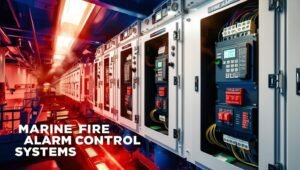
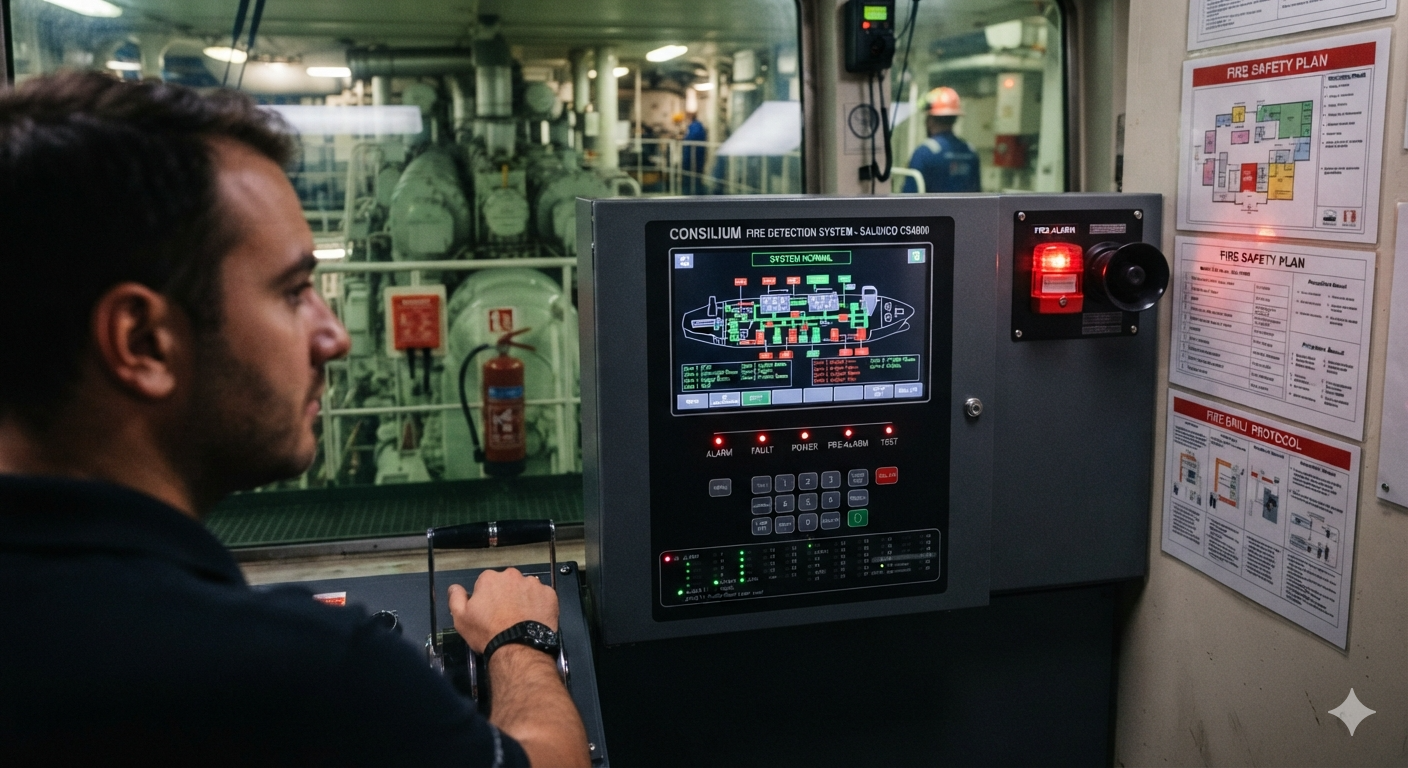
To confront these challenges, the marine fire alarm system incorporates advanced technology with specific components like marine smoke detectors and the marine fire alarm panel. These systems are engineered to detect even the slightest indications of fire—such as unusual smoke patterns or heat—allowing for timely intervention. Additionally, effective training for crew members on the operation and maintenance of these systems is vital, enhancing the vessel’s overall safety protocols.
Furthermore, given the dynamic and often harsh maritime conditions, these systems must be robust and resilient to function effectively. The integration of redundancy measures and regular maintenance checks ensures that the marine fire detection system is operational at all times, safeguarding the lives aboard and preserving maritime assets. Thus, understanding the importance and functionality of these systems is essential in promoting safety in marine operations.
Types of Marine Fire Detection Systems
The implementation of a robust marine fire detection system is vital for ensuring the safety of vessels and their occupants. Various types of fire detection systems are employed in marine environments, each serving a distinct purpose and offering unique advantages and disadvantages.
One of the most commonly used systems is the marine smoke detector. This detector is designed to identify the presence of smoke, a key indicator of fire. Typically installed in various compartments of a ship, marine smoke detectors work using photoelectric or ionization methods. Their quick response to smoke can significantly reduce potential damage and loss of life. However, they may be prone to false alarms, especially in areas with aerosol sprays or steam from machinery.
Another type is the heat detector, which activates when it detects a rise in temperature. The ship fire alarm system often incorporates heat detectors to monitor critical areas such as engine rooms where high temperatures could indicate an impending fire. While they are generally reliable and less susceptible to false alarms compared to smoke detectors, they may respond slower in some cases where fires smolder initially without significant temperature increase.
Lastly, flame detectors utilize infrared or ultraviolet sensors to identify flames. These are particularly effective in high-risk areas, given their fast response time in detecting actual fire. However, they can be more expensive and require a clear line of sight to function optimally.
Every type of marine fire detection system has its strengths and weaknesses, and the choice often depends on the specific requirements of the vessel’s application, whether a cargo ship, ferry, or fishing boat. It is crucial for marine operators to assess their fire safety needs carefully, ensuring the right combination of detectors is deployed for maximum safety and efficiency.
Working Principles of Marine Fire Detection Systems
Marine fire detection systems are engineered to ensure the safety of vessels and their occupants by providing early detection of fire events. These systems utilize a combination of advanced sensor technologies to monitor environmental conditions that signal the presence of a fire. Fundamental to their operation are three primary detection mechanisms: smoke particle detection, temperature monitoring, and infrared flame sensing.
Smoke detectors are critical components of ship fire alarm systems. They operate on the principle of smoke particle detection, identifying variations in light that occur when smoke is present. By utilizing a light source and a photosensitive receiver, these marine smoke detectors can efficiently discern the presence of smoke particles, triggering an alarm if smoke is detected. This rapid response capability is essential in mitigating potential fire hazards.
Temperature monitoring is another vital function of marine fire detection systems. Sensors are strategically placed throughout the vessel to continuously monitor temperature levels. When temperatures rise beyond predefined thresholds, presumably due to a fire, the system is activated. This temperature-based approach complements smoke detection, enhancing the reliability of the overall ship fire alarm system.
Infrared flame sensing is yet another sophisticated technology employed within marine fire alarm panels. These sensors detect specific wavelengths of infrared radiation emitted by flames, enabling immediate identification of a fire’s presence even in the absence of smoke. Such capabilities are particularly valuable in environments where traditional smoke detection methods may be less effective.
The integration of these various sensors is crucial, as they work collectively to form a comprehensive fire safety protocol. By linking fire detection systems with alarm and suppression systems, swift responses can be initiated during fire incidents. This layered approach underscores the importance of effective marine fire detection systems in maintaining operational safety on board vessels.
Best Practices and Future Trends in Marine Fire Detection
Implementing an effective marine fire detection system is paramount for the safety and security of ships, crew, and cargo. Best practices include regular maintenance and testing of ship fire alarm systems, ensuring that all components, including marine smoke detectors and the marine fire alarm panel, are functioning optimally. Regular training of crew members on the operation of fire detection systems is also essential, as this will enable them to respond swiftly and effectively in the event of a fire emergency.
Moreover, adherence to international maritime safety standards, such as those set by the International Maritime Organization (IMO), plays a crucial role in enhancing the reliability of marine fire detection systems. A systematic approach including thorough documentation and risk assessments can help in identifying potential issues before they escalate into hazardous situations. Periodic audits and inspections, alongside updates to safety protocols, are advisable to ensure compliance with evolving regulations.
Looking towards the future, several trends are emerging in the field of marine fire detection. The integration of wireless technology is gaining traction, providing greater flexibility in system installation and reducing the need for extensive wiring. This aspect is particularly beneficial in retrofitting existing vessels. Furthermore, the advent of Internet of Things (IoT) devices allows for real-time monitoring and quick notifications in the event of smoke or heat detection, enhancing situational awareness.
Artificial Intelligence (AI) is also carving a niche within marine fire alarm systems. Algorithms capable of analyzing data from multiple sensors can improve the accuracy of fire detection and facilitate predictive maintenance. This innovation reduces false alarms and allows for timely intervention. In conclusion, as marine fire safety standards evolve, embracing these technologies will significantly bolster marine fire detection systems, ensuring they remain robust and effective against modern challenges.