
Introduction to Variable Frequency Drives (VFD) in Ships
A variable frequency drive (VFD) is an electronic device that is used to control the speed and torque of electric motors by varying the frequency and voltage of the power supplied to the motor. In the context of marine applications, variable frequency drives offer significant advantages for ship propulsion and auxiliary systems. By allowing precise control of motor speed, these drives enhance operational efficiency and contribute to fuel savings, which is a crucial aspect for the maritime industry.
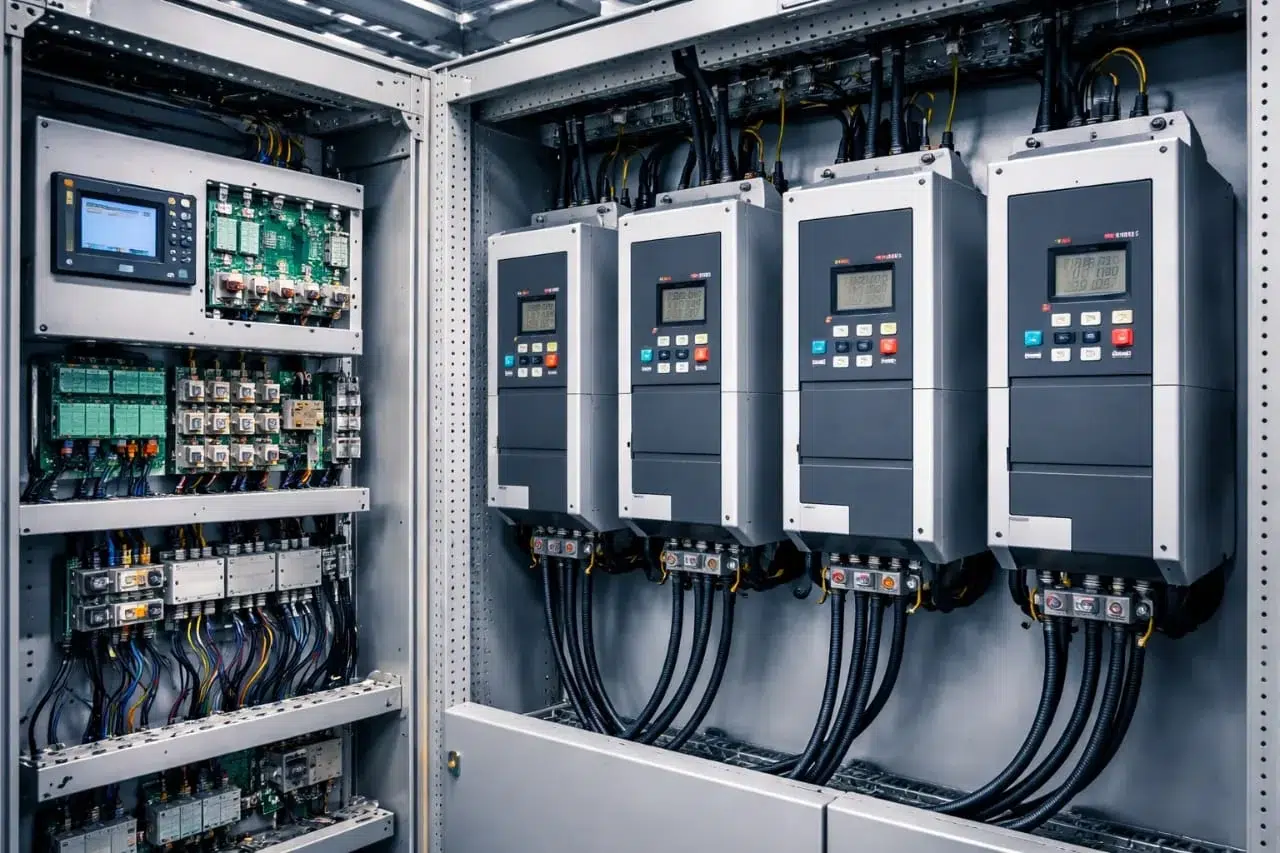
At the core of a marine variable frequency drive are several key components, including the rectifier, DC bus, inverter, and control unit. The rectifier converts incoming AC voltage into DC, which then flows into the DC bus. The inverter subsequently transforms the DC back into AC voltage at varying frequencies, enabling control over the motor speed. The control unit processes input signals, adjusting the output signals based on the desired performance. This systematic process enables ships to manage their operations effectively while ensuring compliance with various maritime regulations.
The use of VFDs in ships provides numerous benefits. Primarily, they facilitate energy efficiency by optimizing motor performance according to varying load conditions, helping reduce fuel consumption. Additionally, VFDs contribute to smoother operation, minimizing mechanical stress on engines and extending their lifespan. They also enhance the capability for dynamic positioning and better control during manoeuvres, which is particularly advantageous for vessels operating in challenging maritime environments. Furthermore, implementing variable frequency drives in marine settings can lead to lower maintenance costs due to reduced wear and tear on mechanical components.
Overall, the deployment of a variable frequency drive in ships not only optimizes the performance of various onboard systems but also plays a pivotal role in increasing the sustainability of marine operations. Its importance in ensuring effective and efficient ship operations cannot be overstated, making it an essential component in modern marine engineering.
How VFDs Improve Ship Efficiency
Variable frequency drives (VFDs) have become a quintessential component in optimizing the operational efficiency of marine vessels. By allowing precise control over the speed of electric motors, VFDs play a pivotal role in the functioning of various ship systems, ranging from propulsion to auxiliary machinery.
One of the most noteworthy advantages of a VFD for ships is the potential for significant energy savings. Traditional motor systems can operate at full speed regardless of demand, leading to wasted energy during low-load scenarios. In contrast, a marine variable frequency drive adjusts the motor’s speed and torque as needed, effectively matching the power consumption to the actual load. This capability not only enhances overall energy efficiency but also contributes to reduced fuel consumption, a crucial aspect in marine operations.
Furthermore, improved speed control offered by VFDs leads to smoother acceleration and deceleration of the ship’s machinery. This capability minimizes mechanical stress and wear on components, translating into longer lifespans for equipment. By reducing the mechanical strain, marine operators can enjoy lower maintenance costs and enhanced reliability of critical systems.
Additionally, VFDs provide the flexibility to adjust power consumption based on varying operational conditions. For instance, during different phases of a journey or in response to changing cargo loads, the ability to dynamically manipulate speed enables ships to remain efficient and effective, regardless of the situation. Many marine operators have reported substantial operational improvements after implementing this technology, highlighting cases where enhanced speed and load management directly impacted fuel efficiency and emissions reductions.
In summary, the integration of variable frequency drives in ships marks a transformative development in marine engineering, leading to significant cost savings, operational enhancements, and a reduced environmental footprint. The advantages of VFDs extend beyond mere machinery control, providing comprehensive solutions that redefine efficiency in marine applications.
Challenges and Considerations when Using VFDs on Vessels
Implementing variable frequency drives (VFDs) in marine applications presents several challenges and considerations that need to be addressed for optimal performance and compliance. One significant hurdle is the potential for electromagnetic interference (EMI), which can disrupt sensitive electronic equipment on vessels. Marine environments are often crowded with devices that can be susceptible to such interference, making it crucial to select VFDs designed with robust EMI shielding and filtering features to mitigate these risks.
Moreover, compliance with environmental regulations is another critical factor when integrating a variable frequency drive in ships. As vessels operate in diverse marine environments, they must adhere to strict regulations concerning emissions, noise, and waste management. Selecting a marine VFD that is environmentally friendly and meets regulatory standards will help ensure not only compliance but also the longevity of equipment and safety of marine ecosystems.
The complexity involved in the installation and maintenance of VFDs in marine settings can also pose challenges. Installing a VFD for ships often requires specialized knowledge and skills, especially pertaining to electrical systems and marine engineering principles. Therefore, it is essential for ship operators to engage professionals with experience in marine variable frequency drive installations to avoid installation pitfalls. Furthermore, regular maintenance practices must be established for marine VFDs to ensure reliability and optimal performance over time. This includes monitoring system performance, checking for signs of wear, and ensuring proper ventilation to prevent overheating.
Mitigating these challenges involves a proactive approach, including thorough training for crew members, investing in advanced technology designed specifically for marine applications, and establishing maintenance protocols to ensure longevity and compliance of VFD systems. By addressing these considerations, vessels can successfully harness the advantages of VFDs while minimizing potential drawbacks.
Future Trends of VFD Technology in the Maritime Industry
As the maritime industry continues to evolve, the role of variable frequency drives (VFDs) is becoming increasingly significant. Innovations in VFD technology are paving the way for enhanced efficiency and sustainability in ship operations. One of the most notable trends is the advancement of digital variable frequency drives. These modern systems offer improved control capabilities, real-time monitoring, and integration with shipboard networks, which collectively enhance operational efficiency.
Another emerging trend is the integration of marine VFDs with renewable energy sources. This integration facilitates the utilization of solar panels and wind turbines on vessels, reducing dependency on traditional fossil fuels. The ability to manage fluctuating energy production from these renewable sources using a variable frequency drive in ships not only improves energy efficiency but also lowers emissions, contributing to the industry’s sustainability goals.
Furthermore, automation is playing a crucial role in shaping the future of VFDs in the maritime sector. Automation technologies allow for adaptive control strategies that optimize propulsion and other critical ship systems by dynamically adjusting power consumption based on operational conditions. This shift towards automated systems is likely to lead to more responsive and efficient marine variable frequency drive applications.
Looking toward the future, predictions suggest that VFD technology will continue to progress, focusing on enhancing efficiency and supporting sustainability in ship power systems. Innovations such as machine learning algorithms and advanced predictive maintenance tools may further enhance the capabilities of VFDs for ships, enabling operators to perform proactive maintenance and energy management. Overall, the advancements in VFD technology hint at a more sustainable and efficient maritime industry, aligning with global sustainability initiatives.