
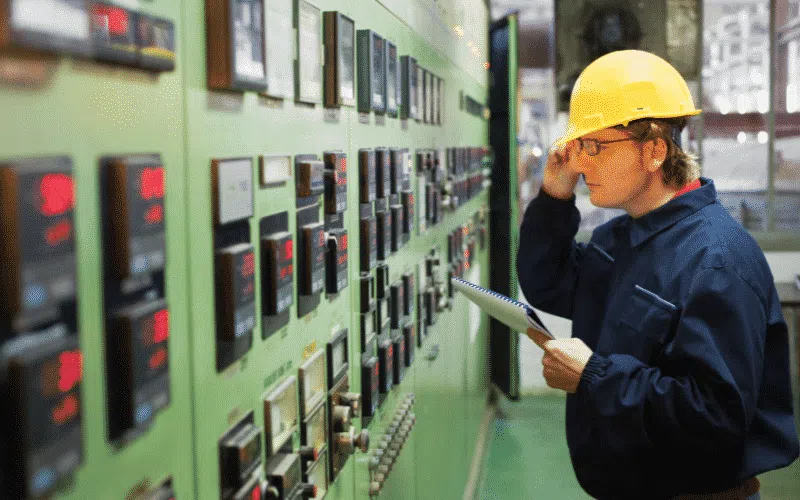
What is a Power Management System?
A Power Management System (PMS) in the maritime industry is an essential framework designed to oversee and optimize the distribution of electrical power throughout a ship. Established primarily to enhance efficiency and operational safety, the marine power management system plays a pivotal role in bolstering the ship’s energy performance and reliability.
At its core, a PMS integrates various components, including generators, power distribution units, and advanced control systems, to manage and regulate electrical loads effectively. Generators, or generator PMS, serve as the primary source of electrical energy, converting mechanical energy into electrical power. They are crucial in maintaining the desired power output and supporting the operation of onboard systems, ranging from navigation to safety equipment.
Power distribution units function as conduits that ensure the seamless transmission of electricity from generators to various electric loads distributed across the ship. These units are responsible for balancing the load and preventing overloads, ultimately leading to enhanced system reliability. Control systems within the marine power management system monitor and adjust the performance of both generators and distribution units, leveraging real-time data to optimize power usage.
The underlying concept of a PMS revolves around ensuring operational efficiency while maintaining safety standards in marine environments. Effective management of electrical resources helps to minimize fuel consumption and reduce emissions, aligning with contemporary maritime regulations. Moreover, the implementation of a robust power management strategy reinforces the vessel’s capability to respond to fluctuations in power demand, an essential aspect of modern shipping operations.
The Importance of Power Management Systems in Maritime Operations
In contemporary maritime operations, the implementation of a marine power management system (PMS) is paramount for ensuring the safety, efficiency, and reliability of onboard systems. This integrated system is designed to control and manage the power generated and consumed aboard vessels, addressing the multifaceted challenges faced in energy management in the maritime industry.
One of the primary advantages of an effective power management system is its ability to significantly reduce fuel consumption. By systematically balancing the load and optimizing energy use, a generator PMS can enhance the operational efficiency of engines and generators. As a result, vessels can operate with reduced fuel costs while concurrently decreasing their carbon footprint. This is increasingly critical as the industry faces mounting pressure to adhere to stringent environmental regulations aimed at minimizing emissions from maritime sources.
Moreover, a well-implemented marine power management system ensures compliance with international maritime regulations, such as the International Maritime Organization (IMO) standards. Vessels equipped with advanced PMS technologies are better positioned to meet these evolving compliance requirements and may benefit from lower operational costs through efficient energy use.
Real-life examples illustrate these benefits effectively. For instance, several shipping companies have reported improvements in their energy efficiency and significant reductions in emissions following the adoption of modern power management systems. By optimizing onboard systems, these innovations not only contribute to economic savings but also enhance the overall reliability of maritime operations.
Ultimately, as the maritime industry continues to innovate and adapt to new challenges, the role of power management systems will remain critical. They serve not just to optimize performance but also to foster sustainability in maritime operations, making them indispensable in the journey towards a more efficient and eco-friendly maritime industry.
Technology and Innovations in Ship Power Management Systems
The maritime industry is undergoing a significant transformation with the adoption of advanced technology in power management systems, particularly in the context of ship operations. A marine power management system (PMS) plays a crucial role in optimizing energy efficiency and minimizing operational costs. Recent innovations have propelled the capabilities of these systems, making them more intelligent and adaptable to varying operational conditions.
One noteworthy advancement is the implementation of automation within ship PMS. This includes real-time data monitoring and control, allowing operators to manage energy resources more effectively. Automated systems can predict energy consumption patterns, leading to informed decision-making and optimized load distribution among generators and other power sources. This not only improves efficiency but also extends the lifespan of equipment by preventing undue stress.
Integration of smart grid technology into marine power management systems has further enhanced their functionality. By employing this technology, ships can now interact with external power grids, facilitating the usage of renewable energy sources such as wind and solar power. Hybrid propulsion systems are an excellent illustration of this integration, where traditional fuel-based generators work in tandem with battery storage units. This synergy significantly reduces greenhouse gas emissions, reinforcing the industry’s commitment to green shipping practices.
Moreover, advancements in battery technology have led to the development of more efficient energy storage solutions. These innovations allow ships to operate with lower emissions and comply with stricter environmental regulations. As the maritime sector continues to embrace sustainability, the potential for further developments in ship power management systems remains high.
By focusing on these technological trends, the industry is not only enhancing energy efficiency and reducing maintenance costs but is also paving the way for a sustainable future in maritime operations.
Challenges and Considerations in Implementing Power Management Systems on Ships
Implementing marine power management systems (PMS) on ships presents a range of challenges that ship operators and designers must effectively address to enhance operational efficiency. One major concern is the complexity of these systems. The integration of a generator PMS with existing electrical and mechanical systems can often lead to compatibility issues. Ships typically utilize various types of equipment, and aligning a modern PMS with legacy systems can demand substantial investment in terms of time and resources.
Another critical aspect is crew training. A sophisticated marine power management system requires operators to possess a thorough understanding of its functionalities and protocols. Insufficient training can lead to mishandling of the system, which may compromise ship safety and efficiency. Therefore, it is essential for shipping companies to invest in comprehensive training programs that equip their crews with the necessary skills to manage advanced PMS successfully.
Safety concerns also play a significant role in the implementation of marine power management systems. Any malfunction or error in the system can result in severe consequences, potentially compromising the safety of the crew and the vessel. Operators must ensure that robust safety protocols are part of the PMS design. This involves regular maintenance, periodic checks, and an emphasis on redundancy measures to guarantee that there are fallback mechanisms in place.
In considering a power management system, it is vital for ship operators to evaluate the specific needs of their vessels. Assessing the operational profile, existing technologies, and regulatory compliance requirements will contribute to a well-informed decision-making process. By addressing these challenges proactively and developing effective strategies, shipping companies can effectively implement PMS solutions that optimize power usage and improve overall ship performance.