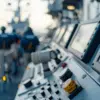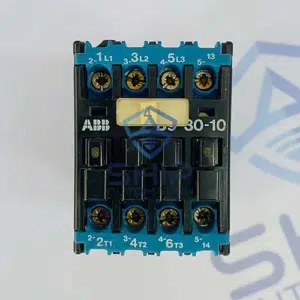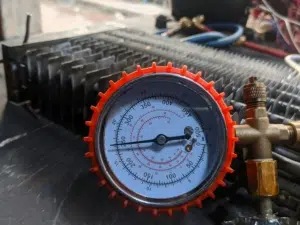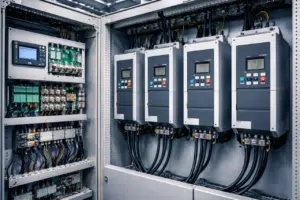

Modern vessels rely on complex machinery and automation systems to ensure safe, efficient, and uninterrupted operations. A single unnoticed equipment failure can lead to engine damage, operational delays, environmental hazards, or even life-threatening situations. This is where Fault Alarm Systems become one of the most critical components of marine automation.
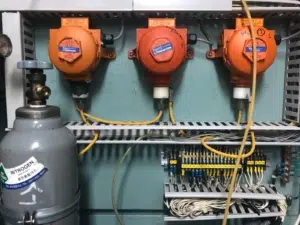
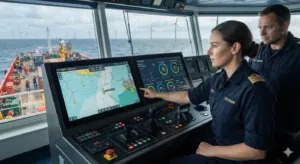
Fault alarm systems continuously monitor machinery, electrical equipment, navigation systems, and safety devices. Whenever abnormal conditions occur, they immediately notify the crew through visual and audible alarms, enabling rapid corrective action.
In this comprehensive guide, we’ll explore everything you need to know about marine fault alarm systems, their components, applications, benefits, maintenance, and why they are essential for modern vessels.
What is a Fault Alarm System?
A Fault Alarm System is an intelligent monitoring system designed to detect abnormal operating conditions within a ship’s machinery, electrical network, and safety systems.
The system receives signals from numerous sensors installed throughout the vessel and continuously compares operating values against preset safety limits.
If any parameter exceeds its acceptable range, the system immediately:
- Activates visual alarms
- Sounds audible alarms
- Displays fault messages
- Records the event
- Alerts engineers for immediate action
Its primary objective is preventing equipment failure before it becomes a major problem.
Why Fault Alarm Systems are Essential on Ships
Marine vessels operate continuously under harsh environmental conditions where equipment reliability is critical.
Without an effective alarm system, small faults can quickly develop into serious emergencies.
Fault alarm systems help operators by:
- Detecting problems early
- Preventing machinery damage
- Reducing downtime
- Improving crew safety
- Supporting predictive maintenance
- Meeting international marine safety regulations
- Enhancing operational efficiency