
Introduction to Marine CCTV
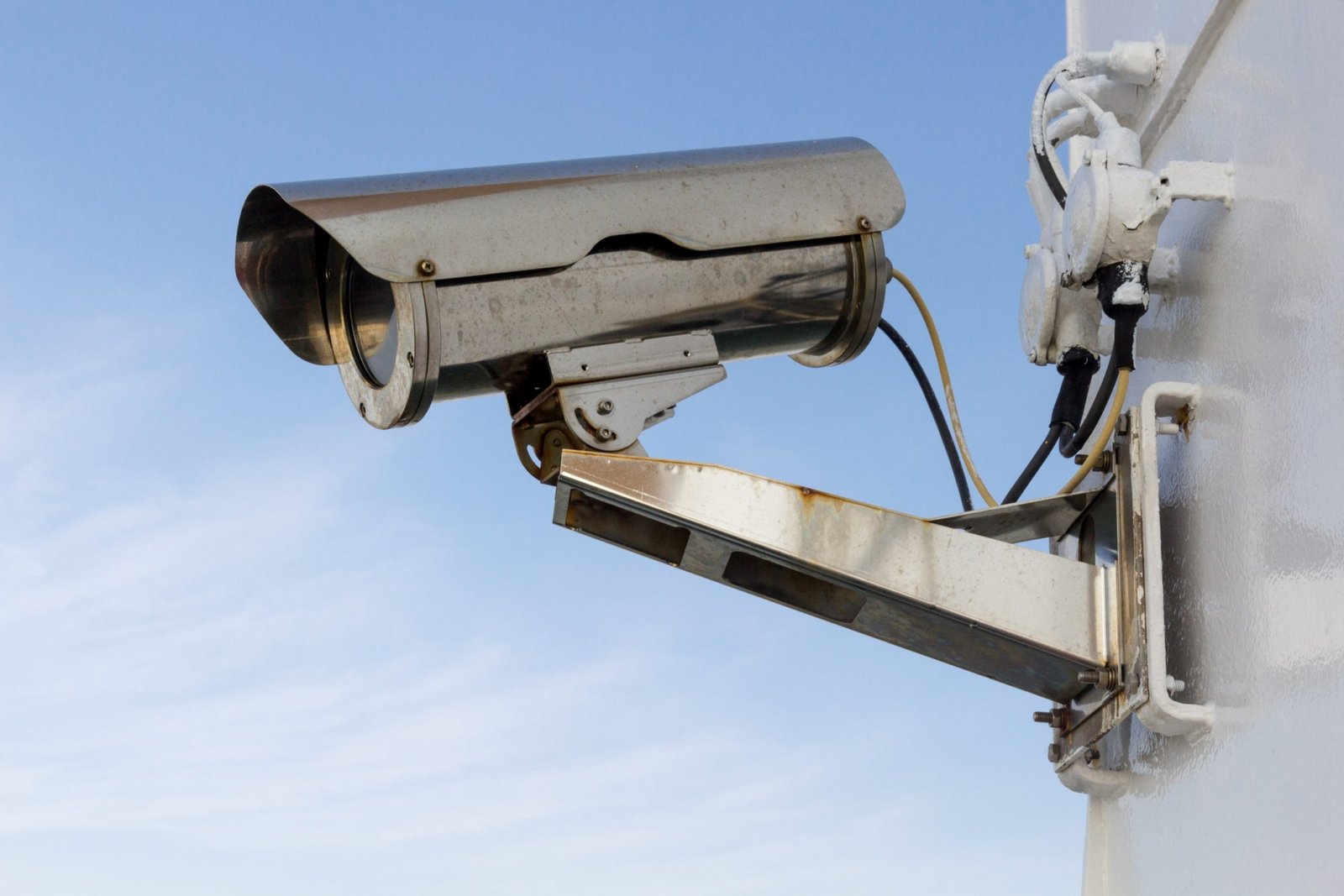
Marine CCTV technology has emerged as an essential component in the maritime industry, contributing significantly to safety, security, and operational efficiency on vessels. At its core, marine CCTV is designed specifically to withstand the challenging conditions typically found in maritime environments, such as exposure to saltwater, heavy vibrations, and extreme temperatures. Unlike standard CCTV systems, which may not be adept at handling these conditions, marine CCTV is constructed using robust materials and components to ensure reliability and longevity.
A marine CCTV setup typically includes several key components: high-definition marine CCTV cameras, appropriate recording equipment, and a user-friendly interface. The cameras are engineered to be waterproof, equipped with anti-corrosion properties, and capable of providing clear images in various lighting conditions, including low light. This functionality is paramount aboard ships, where visibility can often be compromised due to weather or operational conditions.
In addition to its durable construction, marine CCTV systems offer advanced features such as motion detection, rotating and zoom capabilities, and remote monitoring. This suite of features allows crew members to monitor critical areas of the ship continuously, enhancing situational awareness. For instance, a marine CCTV camera can be strategically positioned to oversee the engine room, cargo holds, or the perimeter of the vessel, effectively enhancing security against unauthorized access or accidents.
Furthermore, the integration of marine CCTV with other ship automation systems not only streamlines monitoring but also supports regulatory compliance with maritime safety standards. The significance of this technology cannot be overstated, as marine CCTV plays a vital role in incident prevention, ensuring adherence to safety protocols, and facilitating efficient shipping operations.
Importance of CCTV in Ship Automation
Marine CCTV systems have become essential components in the landscape of ship automation, significantly enhancing security, surveillance, and operational efficiency aboard vessels. In an age where maritime threats and safety concerns are on the rise, the integration of marine CCTV can serve as a first line of defense against unauthorized access and potential incidents. Surveillance cameras strategically placed throughout a vessel enable real-time monitoring, facilitating immediate responses to any anomalies or intrusions.
Furthermore, the capabilities of a marine CCTV camera extend beyond security. They play a pivotal role in the operational monitoring of critical systems across the ship. By employing these advanced systems, ship operators can keep a constant watch on engines, cargo areas, and other vital components, ensuring everything functions within optimal parameters. This proactive monitoring capability allows for the early detection of mechanical failures, thereby reducing downtime and enhancing the vessel’s operational efficiency.
Moreover, a well-planned marine CCTV setup can provide invaluable documentation of events during navigation. This recorded footage can serve as a reference point for incident investigations, offering substantive evidence should a legal or regulatory issue arise. The video records can also contribute to training new crew members by providing clear examples of standard operating procedures, reinforcing best practices, and ensuring a higher level of safety and compliance onboard.
In conclusion, the role of marine CCTV in ship automation cannot be underestimated. It enhances security, improves monitoring capabilities, and contributes to the seamless operation of the vessel. As maritime technology continues to evolve, the importance of a robust marine CCTV system will remain critical for safeguarding assets and ensuring operational success.
Types of Marine CCTV Systems
Marine CCTV systems play a crucial role in ship automation, providing security and surveillance for vessels navigating waterways. Understanding the different types of marine CCTV systems is essential for selecting the appropriate solution for specific needs. The market offers various types of cameras, each tailored to unique applications in ship automation.
One of the most common types is the fixed marine CCTV camera. These cameras offer a static view, ideal for monitoring specific areas without the need for movement. They are typically employed in locations where surveillance objectives are well-defined, such as access points or critical operational zones on the ship. The fixed cameras are valued for their reliability and ease of installation.
Another prominent type is the PTZ (pan-tilt-zoom) marine CCTV camera, which provides the flexibility of covering large areas due to its ability to rotate, tilt, and zoom in on specific objects or events. This versatility makes PTZ cameras suitable for dynamic monitoring needs on vessels, such as tracking wildlife, observing approaching boats, or scrutinizing security threats from a distance. The adaptability of PTZ cameras allows ship operators to respond quickly to emerging situations.
Additionally, thermal cameras have gained traction in marine environments, where visibility conditions can be challenging. These cameras detect heat signatures, allowing vessel crews to monitor for potential hazards such as other boats, obstacles, or unauthorized personnel, even in total darkness or adverse weather. This capability is essential for ensuring safety and enhancing situational awareness aboard a ship.
In summary, the various types of marine CCTV systems—including fixed, PTZ, and thermal cameras—each offer distinct advantages in the context of ship automation. Selecting the right configuration is key to effectively leveraging marine CCTV for enhanced security and operational efficiency.
Key Features of Marine CCTV Systems
Marine CCTV systems are essential components of ship automation, providing security and monitoring solutions tailored to the unique challenges of maritime environments. Among the standout features are their weather resistance, night vision capabilities, and high-definition recording, each critical for ensuring safety and operational efficiency aboard vessels.
One of the primary advantages of marine CCTV cameras is their robust weather-resistant design. These cameras are built to endure harsh marine conditions, including saltwater exposure, high humidity, and extreme temperature fluctuations. They typically meet rigorous IP (Ingress Protection) ratings, ensuring that they are not easily damaged by rain or splashes. This durability translates to lower maintenance costs and heightened reliability over time, which is crucial for long voyages.
Night vision capabilities are another crucial feature of marine CCTV systems. The ability to capture clear images in low-light conditions is vital for ensuring safety during nighttime operations or in poor weather. Advanced infrared technology and low-light sensors allow users to monitor their surroundings effectively, reducing the risks associated with unseen hazards. Marine environments often experience limited visibility, making this feature indispensable for both surveillance and navigation purposes.
High-definition recording is essential in providing clear, detailed footage that can be analyzed for security and incident review. With advancements in camera technology, marine CCTV setups now offer full HD (1080p) and even 4K options, allowing for comprehensive visual monitoring. This level of detail can assist in identifying potential threats, recording events for operational reviews, or meeting regulatory compliance through accurate documentation.
Given the unique challenges posed by maritime environments, these features make marine CCTV systems indispensable for modern ships, enhancing security, safety, and operational efficiency across the board.
Current Market Trends in Marine CCTV Sales
The marine CCTV market is currently experiencing significant transformations driven by technological advancements and the evolving needs of the maritime industry. A notable trend is the integration of smart technology within marine CCTV systems, which enhances their capabilities while ensuring improved safety and operational efficiency on vessels. These systems are increasingly capable of offering real-time monitoring and remote access to video feeds, facilitating immediate response to potential incidents, thereby reinforcing security on board.
Moreover, there has been a growing demand for high-definition marine CCTV cameras that not only provide clearer images but also operate effectively in various lighting conditions. Features such as night vision and thermal imaging have become essential in ensuring thorough surveillance, particularly in critical scenarios where visibility may be compromised. This shift towards more advanced camera technology reflects the industry’s commitment to adopting innovative solutions that meet the dynamic challenges of maritime operations.
Additionally, the seamless integration of marine CCTV with other ship automation systems remains a focal point in sales trends. As vessels increasingly adopt IoT (Internet of Things) technologies, the convergence of security systems with navigation, engine monitoring, and environmental controls presents an opportunity for comprehensive operational oversight. By harnessing data from various ship systems, operators can improve response times and the overall safety of maritime journeys. This multifaceted approach not only drives marine CCTV sales but also positions these systems as integral components of a ship’s automation landscape.
In conclusion, the current trends in the marine CCTV market reflect a clear pivot towards advanced technology and integrated solutions, underscoring the importance of sophisticated surveillance systems in modern maritime operations.
Challenges in Marine CCTV Implementation
Implementing a marine CCTV setup on ships presents a series of unique challenges that need careful consideration. Firstly, environmental conditions, including saltwater exposure, temperature fluctuations, and humidity, can significantly affect the performance and longevity of marine CCTV cameras. Devices must be designed to withstand these harsh maritime environments to ensure reliable functionality and prevent frequent maintenance or replacements. Choosing equipment with appropriate IP ratings can mitigate some of these environmental risks.
Installation complexities also pose a challenge. The layout of ships, with their numerous compartments, tight spaces, and varying surface materials, can complicate the placement of marine CCTV cameras. Proper planning and installation techniques are required to optimize camera angles and ensure complete coverage without obstructing crew operations. Shipbuilders and installers must work closely to create an effective marine CCTV network that integrates with existing ship systems.
Regulatory compliance is another critical factor in the implementation of a marine CCTV system. Ships operating in international waters must adhere to regulations set by various maritime authorities. These regulations often dictate standards for surveillance, data privacy, and equipment specifications. Therefore, ship operators must ensure their marine CCTV installations meet these requirements to avoid legal repercussions and ensure the safety of crew and cargo.
In addressing these challenges, solutions can include utilizing advanced marine CCTV technology that is purpose-built for maritime conditions, engaging experienced installers familiar with ship design, and ensuring thorough knowledge of relevant regulations. Training crew on the proper usage and maintenance of marine CCTV systems can further enhance effective implementation. By proactively addressing these challenges, maritime operators can successfully leverage marine CCTV for improved safety and security on board.
Future of Marine CCTV in Ship Automation
As ship automation continues to evolve, the role of marine CCTV technology is becoming increasingly significant. The future of marine CCTV is expected to be shaped by advancements in artificial intelligence (AI), machine learning, and data analytics, which promise to enhance security, safety, and operational efficiency on vessels.
One of the foremost developments in marine CCTV will likely be the integration of AI capabilities into marine CCTV cameras. AI-powered marine CCTV systems can analyze footage in real time, detecting anomalies such as unauthorized access or unusual behavior. This enables rapid responses to potential threats, enhancing onboard security while allowing crew members to focus on their primary operational tasks.
Furthermore, machine learning algorithms can facilitate the continuous improvement of these security systems. Over time, marine CCTV systems will learn from past incidents and adapt their monitoring strategies accordingly, thus continually refining their detection capabilities. This kind of adaptive technology is crucial in the dynamic environment of marine operations, where conditions can change rapidly and unpredictably.
Data analytics will also play a pivotal role in the future of marine CCTV. By aggregating and analyzing data collected from multiple marine CCTV cameras, operators can gain valuable insights into shipping routes, port operations, and even crew behavior. This information can inform strategic decisions, improve resource allocation, and enhance overall vessel performance. For instance, understanding patterns in crew movements via marine CCTV analysis could lead to better training programs or resource distribution on ships.
In conclusion, the future of marine CCTV in ship automation is poised for transformative developments driven by AI, machine learning, and data analytics. It is through these innovations that maritime operations will achieve higher levels of safety and efficiency, underlining the significance of an advanced marine CCTV setup in contemporary shipping practices.
Case Studies: Successful Marine CCTV Implementations
The implementation of marine CCTV systems has become increasingly essential in the field of ship automation. Numerous case studies highlight the successful integrations of marine CCTV technology, showcasing its capability to enhance safety, efficiency, and operational oversight aboard vessels. One notable case involves a large cargo ship operating in high-traffic maritime areas. This vessel integrated a comprehensive marine CCTV setup to monitor both external surroundings and the internal operations of the ship. The deployment of multiple marine CCTV cameras provided real-time footages to the bridge, allowing crew members to quickly assess potential navigational hazards and ensure compliance with safety protocols.
Another compelling example can be found in the fishing industry, where a commercial fishing fleet adopted a marine CCTV system to monitor fishing activities and catch management. The fleet faced challenges relating to regulatory compliance and efficient resource management. By utilizing marine CCTV cameras, they gained valuable insights into their operations, leading to improved adherence to legal requirements and enhanced catch tracking. The analysis of footage also permitted the identification of optimal fishing spots, thus significantly increasing yield.
A luxury cruise line also successfully integrated a sophisticated marine CCTV setup to enhance passenger safety and security. The system included several high-definition marine CCTV cameras strategically positioned throughout the vessel, combined with real-time monitoring capabilities. The cruise line reported a marked decrease in incidents related to passenger safety, attributing this improvement to the constant surveillance and immediate response enabled by the cameras. Overall, these case studies illustrate the vast benefits of deploying marine CCTV systems in various maritime contexts, driving improvements in safety, compliance, and operational efficiency.
Conclusion and Recommendations
The analysis of marine CCTV systems within the sphere of ship automation highlights the critical role that these technologies play in enhancing safety, operational efficiency, and compliance with maritime regulations. Throughout this discussion, we explored various facets of marine CCTV, including its components, types, benefits, and installation considerations. Each aspect is significant in ensuring that ship owners and operators make informed decisions that align with their specific operational requirements.
As the maritime industry continues to evolve, investing in a robust marine CCTV setup becomes increasingly vital. Ship owners should consider factors such as camera resolution, durability against harsh marine environments, and compatibility with existing systems when evaluating marine CCTV options. Moreover, selecting a reliable marine CCTV camera that offers features like night vision and wide viewing angles can further augment the capability of surveillance onboard. It is essential to conduct a thorough assessment of the operational needs, security threats, and environmental challenges before finalizing a particular system.
The recommendations for prospective buyers include consulting with experienced vendors and integrating advanced technologies like remote monitoring capabilities to ensure real-time surveillance. Training crew members on the effective use of these systems will also maximize the benefits derived from the installation. In conclusion, a well-thought-out marine CCTV investment tailored to the specific requirements of the vessel can significantly improve security and operational integrity while meeting regulatory mandates. Selecting the right system is paramount and can offer substantial long-term benefits.