When it comes to running a vessel smoothly, proper storage and maintenance of marine spare parts are essential. Every shipowner or maintenance team must ensure that the spare parts are kept in the best condition to avoid unnecessary expenses and breakdowns. A reliable marine spare parts supplier plays a key role in providing quality components, but how you store and maintain these parts will determine how long they last and how well they perform. In this article, we will discuss practical steps to store and care for marine spare parts so that they remain in top condition for years.
Why Proper Storage Matters
Marine spare parts are exposed to harsh environments, such as saltwater, humidity, and temperature changes, which can cause rust, corrosion, and wear. Improper storage can lead to damage, contamination, or even failure during operation. By following the right procedures, you can protect your investments and ensure that each part functions when needed, which will save a lot of money and time.
Organize Parts by Type and Use
The first step to proper storage is organizing the spare parts systematically. Divide them based on type, i.e., mechanical, electrical, hydraulic, or structural parts, and frequency of use. Keep critical parts, such as filters, belts, and seals, easily accessible so they can be retrieved quickly during repairs. Label each item clearly with its name, part number, and date of purchase. This prevents confusion and reduces the risk of installing the wrong components.
Store in Controlled Environments
Temperature and humidity control are crucial when storing marine parts. Parts made of metal, rubber, or plastic can deteriorate if exposed to extreme temperatures or moisture. Store sensitive items in a dry, well-ventilated space away from direct sunlight. Use racks or pallets to keep parts off the floor, protecting them from water seepage and dust accumulation. Installing dehumidifiers or silica gel packets can further reduce moisture levels and prevent corrosion.
Clean and Inspect Before Storage
Before storing any spare part, it’s important to clean it thoroughly. Remove grease, salt deposits, and dust using appropriate solvents or cleaners. For example, metal parts should be wiped down with rust inhibitors, while electrical parts should be cleaned with contact cleaner sprays. After cleaning, inspect each part for signs of wear, cracks, or damage. Faulty parts should be repaired or replaced before storage to avoid further complications later.
Use Protective Coatings and Packaging
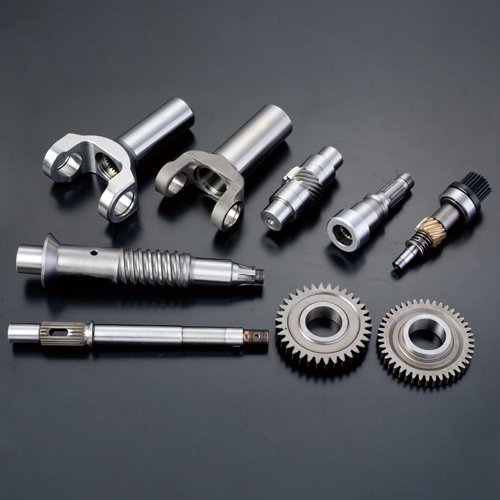
Applying protective coatings such as anti-rust sprays or lubricants helps create a barrier between the part and environmental factors. Parts like gears, shafts, and fasteners benefit from being coated lightly before storage. Additionally, pack parts in moisture-resistant materials such as vacuum-sealed bags, plastic wrap, or corrosion-inhibitor papers. Ensure the packaging is breathable if needed, but sealed tightly enough to prevent dust and water from entering.
Rotate Stock Regularly
Spare parts, even when unused, can deteriorate over time. To prevent aging issues, practice the “first in, first out” rule. Regularly check your inventory and rotate stock by using older parts before newer ones. Schedule inspections of ship spares maintenance every few months to ensure that no part is accumulating moisture or showing early signs of wear. Keeping a maintenance log helps track usage and storage conditions for better planning.
Maintain Proper Handling Practices
Handling spare parts carelessly can result in dents, scratches, or contamination. Always wear gloves when handling parts sensitive to oils or dirt, such as seals and electrical contacts. Avoid dropping or dragging heavy parts, which can weaken them or introduce stress fractures. Use appropriate lifting equipment, like hoists or trolleys, to transport large components safely.
Document Storage Conditions
A well-maintained storage system is supported by proper documentation. Maintain a log that records when each item was stored, cleaned, or inspected. Note environmental conditions such as humidity levels or any incidents like flooding or temperature fluctuations. This information helps identify patterns and implement preventive measures to protect parts from future damage.
Address Common Problems
Some common issues faced in marine spare parts storage include corrosion, fungal growth, mechanical wear, and contamination from oil or salt deposits. To prevent corrosion, use protective coatings and maintain low humidity. For rubber parts, avoid prolonged exposure to sunlight and heat. Electrical parts should be stored in anti-static containers to prevent charge buildup, while mechanical parts must be checked regularly to ensure lubrication remains intact.
Conclusion
Proper storage and marine spare part care is not just about keeping them safe but is about extending their life, improving reliability, and ensuring safety at sea. By following systematic organization, cleaning, inspection, and controlled storage methods, you can protect your investment and reduce operational risks. Regular monitoring and training will strengthen your maintenance practices, helping your vessel perform at its best.